
Plastic Manufacturing Guide
Vacuum Thermoforming for Plastic Projects: Cost Drivers and Process Decisions
Practical guide to Vacuum Thermoforming: material choices, process controls, quality checks, sourcing questions, and SEO-focused plastic processing terminology.
. Core Cost Drivers of Vacuum Thermoforming
. Raw Material Costs: Highest Share, Most Price-Sensitive
- Material Selection: Common options include PET, PP, PS, ABS, and PVC, each with distinct performance and price points.
- PET: High clarity, excellent durability, fully recyclable; ideal for food packaging and premium enclosures, mid-range pricing.
- PP: Heat-resistant, chemically inert, low-cost; widely used in food containers and industrial trays.
- ABS: Rigid, impact-resistant, easy to color; suited for automotive interiors and appliance housings, higher pricing.
- Biodegradable materials (e.g., PLA): Eco-friendly but expensive; initial costs run 20%–40% higher than standard plastics.
- Sheet Thickness & Specifications: Thickness directly impacts material usage, with common ranges from 0.3mm to 2.0mm—thicker sheets mean higher costs. For example, 1mm PET sheet costs nearly twice as much as 0.5mm sheet. Custom non-standard sizes add extra cutting waste and procurement expenses.
- Material Yield: Trim scrap and defect rates heavily influence yield. Standard products achieve 85%–95% yield, while deep-drawn or complex parts can drop to under 70% due to uneven stretching. Strategic use of recycled materials (e.g., rPET) cuts costs by 8%–12%, provided proportions are controlled to avoid performance issues.
- Price Volatility: Resin prices for PP, PET, and others are closely tied to global crude oil markets. Geopolitical shifts or production capacity changes trigger sharp price swings. A 10% rise in oil prices can drive PET material costs up 5%–8%, directly impacting product pricing.
Tooling Costs: Upfront One-Time Investment, Defines Batch Viability
- Tool Materials:
- Plaster molds: Lowest cost (hundreds to a few thousand dollars), fast production (1–3 days); ideal for prototyping and small-batch trials (≤500 units), but low heat resistance and durability limit lifespan.
- Resin molds: Mid-range cost (a few thousand to $10,000), heat-resistant and durable; suited for low-to-moderate production (500–5,000 units), with a smooth surface finish.
- Aluminum molds: Higher cost ($10,000–$50,000), excellent thermal conductivity, heat resistance, and durability; lifespan exceeds 100,000 cycles, the top choice for high-volume, precision manufacturing.
- Steel molds: Highest cost, reserved for ultra-high volume or specialized applications—rarely used in vacuum thermoforming.
- Design Complexity: Simple flat molds are low-cost, while deep-drawn, multi-groove, or contoured molds require reinforced design, increasing machining difficulty and costs by 30%–50%. Complex molds with undercuts or inserts can double costs.
- Size & Precision: Larger molds require more material and machining time, raising costs. Standard tolerances (±0.5mm) are low-cost, while high precision (±0.1mm) demands precision machining, adding 20%–40% to costs.
Equipment & Energy Costs: Long-Term Operational Expenses, Tied to Automation
- Equipment Selection:
- Manual/semi-automatic machines: Low cost ($50,000–$200,000), low energy use; ideal for small-batch, simple parts, with labor accounting for a large share of costs.
- Fully automated lines: High cost ($500,000–$2,000,000), integrated automatic loading, heating, forming, and trimming systems; high production rates (5–20 parts per minute), higher energy consumption (20–50kW per machine); suited for high-volume production with lower long-term operational costs.
- Energy Consumption: Dominated by heating (70%) and vacuum system operation (30%). Heating temperatures vary by material: PET at 120–150°C, PP at 150–180°C, ABS at 180–220°C. Excess heat increases energy use and degrades material; insufficient heat causes incomplete forming and higher defects.
- Maintenance Costs: Regular mold polishing, heater replacement, and vacuum pump servicing cost 5%–10% of equipment value annually.
Production Efficiency Costs: Time Equals Cost, Defines Capacity Limits
- Cycle Time: Standard cycles range from 20 to 60 seconds per part, consisting of heating, vacuum, and cooling time. Optimizing uniform heating (e.g., multi-point infrared heating), reducing vacuum time (0.5–2 seconds), and enhancing cooling (water-cooled molds) cuts cycles by 10%–15%, boosting output by 15%–20%.
- Defect Rate: Normal rates are ≤2%, affected by material quality, temperature control, and mold precision. Uneven heating causes inconsistent wall thickness, insufficient vacuum leads to incomplete forming, and mold scratches create surface flaws—all increasing defects. Infrared thermography and laser thickness monitoring keep defect rates under 0.5%.
- Labor Productivity: Semi-automatic machines require 2–3 operators per unit; fully automated lines let one operator manage 2–3 machines, creating significant labor cost differences. Labor accounts for 15%–20% of costs in small-batch production, dropping to under 5% in high-volume automated operations.
Post-Processing & Auxiliary Costs: Overlooked, Cumulative Impact
- Trimming & Deburring: Manual trimming is low-cost but slow for small batches; laser cutting and die-cut presses are fast and precise for high volumes but require extra equipment investment.
- Surface Finishing: Printing, lamination, and painting add value but increase costs by 5%–15%.
- Packaging & Shipping: Part size and weight dictate packaging materials and freight costs—lightweight designs reduce shipping expenses. Bulk shipments lower per-unit freight, while small-batch courier shipping is more expensive.
II. Key Process Decision-Making Logic for Vacuum Thermoforming
Material Selection Decisions: Prioritize Performance Fit, Balance Costs
. Food Contact Applications: Use food-grade PET or PP (non-toxic, heat-resistant); avoid PVC (contains plasticizers).
. High Strength/Impact Resistance: Choose ABS, PC, or modified PP—higher cost but allows thinner walls for lower overall costs.
. Budget-Sensitive/Disposable Parts: Opt for standard PP or PS—low-cost, easy to process.
. Eco-Compliant Requirements: Small batches use PLA; high volumes prioritize rPET, balancing sustainability and cost.
Tooling Strategy Decisions: Batch Size Dictates Material, Simplify Design to Cut Costs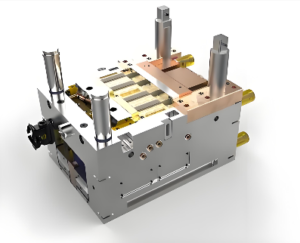
- Small batches (≤500 units)/prototyping: Plaster or resin molds, ≤$10,000 cost, 1–3 day lead time—validate designs quickly without large upfront investments.
- Low-to-moderate batches (500–5,000 units): Basic aluminum molds, $10,000–$30,000 cost, 5–10 day lead time, 10,000–50,000 cycle lifespan—balance cost and durability.
- High batches (≥5,000 units)/mass production: Precision water-cooled aluminum molds, $30,000–$50,000 cost, 10–15 day lead time, ≥100,000 cycle lifespan—low per-unit amortization, consistent quality.
- Design Simplification Principle: Minimize deep draws, sharp corners, and narrow grooves during design; convert complex features to gentle curves. Reduces tooling costs by 20%–40% and lowers forming difficulty/defect rates.
Equipment Automation Decisions: Batch Threshold Is Key, Prioritize Long-Term ROI
- Small batches (≤10,000 units/year): Semi-automatic machines (manual loading/unloading + automatic heating/forming), $100,000–$200,000 investment, 2 operators per machine—flexible for mixed production, avoids idle equipment.
- Low-to-moderate batches (10,000–100,000 units/year): Standalone fully automatic machines (auto loading/forming/trimming), $300,000–$500,000 investment, 1 operator per machine—3x higher productivity, 60% lower labor costs.
- High batches (≥100,000 units/year): Integrated fully automated lines (multi-station + in-line inspection + auto stacking), $800,000–$2,000,000 investment, minimal labor—15–20 parts per minute output, ≤0.5% defect rates, lowest long-term operational costs.
Process Parameter Optimization Decisions: Precision Control Reduces Defects, Boosts Efficiency
Temperature Control: Zone heating + infrared temperature monitoring avoids hot/cold spots. For PET: 100°C preheat (1 minute), 140°C hold (30 seconds), ±5°C tolerance—ensures uniform softening.
Vacuum Level & Timing: Vacuum level ≥0.08MPa, evacuation time 0.5–2 seconds (fast mold contact), hold time 5–10 seconds (prevents springback).
Cooling Optimization: Water-cooled molds (20–30°C water temp), 10–20 second cooling time—shortens cycles and reduces warping.
Parameter Standardization: Lock parameters for mass production, create SOPs to eliminate human error-driven defects.
Alternative Process Comparison Decisions: Clarify Boundaries, Choose Optimal Path
| Aspect | Vacuum Thermoforming | Injection Molding | Blow Molding | 3D Printing |
|---|---|---|---|---|
| Ideal Batch | Low-to-moderate (500–100,000 units) | High (≥100,000 units) | High-volume hollow parts | Small-batch/custom (≤500 units) |
| Tooling Cost | Low ($1,000–$50,000) | High ($50,000–$500,000) | Mid ($20,000–$100,000) | None |
| Part Complexity | Simple curves/shallow draws | Complex, high-precision | Thin-walled hollow | Any complexity |
| Per-Unit Cost (10,000 units) | Mid ($1–$5) | Low ($0.50–$2) | Mid ($1–$3) | High ($10–$50) |
| Lead Time | Short (7–15 days) | Long (30–60 days) | Mid (15–30 days) | Ultra-short (1–7 days) |
- Low-to-moderate volume, large simple curved parts, limited budget → Vacuum Thermoforming
- High volume, high precision, complex parts → Injection Molding
- Hollow containers (e.g., bottles) → Blow Molding
- Prototypes, custom parts, very low volume → 3D Printing
III. Practical Strategies for Cost & Process Co-Optimization 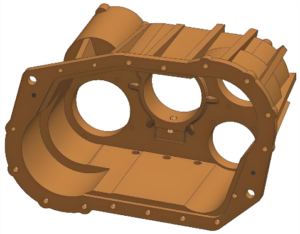
. Frontload Cost Control in Design: Engineer parts for manufacturability—simplify geometry, maintain uniform wall thickness (reduces uneven stretching), and use standard dimensions (cuts trim waste). Delivers 10%–20% lower total costs
. Optimize Supply Chains for Material Savings: Lock prices with long-term supplier contracts, prioritize domestic materials over imports, and use recycled materials (non-food applications) to cut raw material costs.
. Extend Tool Life with Proactive Maintenance: Regularly polish mold surfaces, clean vent holes, and apply rust protection—boosts aluminum mold lifespan by 30%–50%, eliminating repeat tooling investments.
. Upgrade Automation to Boost Productivity & Reduce Defects: Phase in automatic loading, in-line inspection, and automated trimming—cuts labor intervention, raises output, lowers defects, and amortizes long-term costs.
. Combine Batches to Lower Amortization Costs: Co-produce similar parts (same material, same mold) to maximize equipment utilization, spreading tooling and depreciation costs across more units.
IV. Conclusion
Have a related manufacturing question?
Send your drawing, material, quantity, finish and application requirements for a manufacturing review.