Industry News Archive
Injection Molding Industry Convenes in South Asia: Conference Day One Highlights
The injection molding market in the Asia-Pacific region reached an estimated $60 billion in 2023 and is on track to surpass $85 billion by 2028, according to recent industry projections. That trajectory provided a fitting backdrop for the first day of the Elite Plastics and Injection Molding Conference in South Asia, where manufacturers, technology providers, and packaging experts convened to examine emerging trends and shared challenges.
Key Discussions and Technology Showcases
Automation and smart manufacturing solutions dominated the opening technical sessions. Presenters detailed how real-time monitoring systems and AI-driven process controls are reducing cycle times and material waste across production lines. Many sessions explored advances in Standard Injection Molding Services for High-Precision Plastic Parts as demand for tighter tolerances grows in medical device and electronics applications.
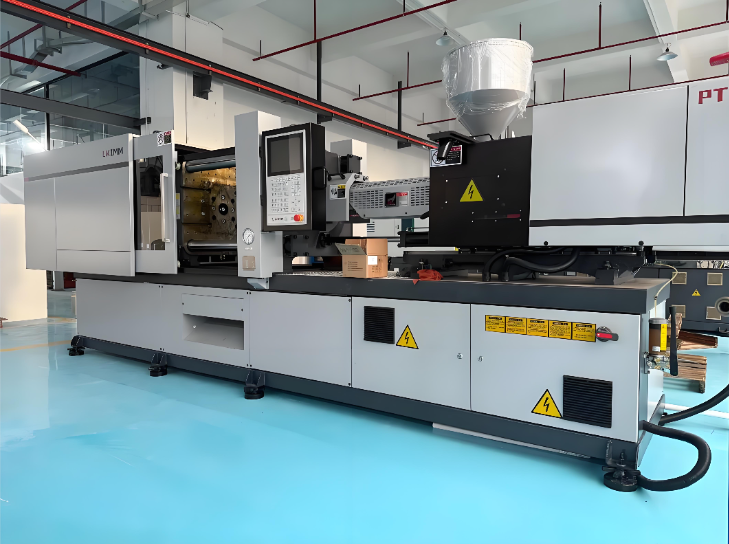
Exhibitors on the show floor highlighted next-generation press designs and advanced mold technologies. Parallel workshops delved into multi-material molding and in-mold decoration, reflecting the rise of complex part consolidation strategies. Packaging converters shared case studies on lightweighting initiatives that maintain structural integrity while trimming resin consumption.
Sustainability and Material Innovation
A central thread throughout the proceedings was the industry’s response to tightening environmental regulations and brand owner pledges. Attendees heard updates on biodegradable polymer blends, mechanical recycling compatibilizers, and chemical recycling pilot projects gaining traction in the region. Panelists noted that collaboration between material suppliers, equipment makers, and end-users is critical to scaling circular economy models.
Key takeaways from the sustainability sessions included:
- Bio-based polyolefins are moving from niche applications to mainstream packaging lines.
- Digital product passports, backed by blockchain, are being tested to track resin provenance and recyclability.
- Energy-efficient servomotor-driven presses can cut power consumption by up to 40% compared to older hydraulic machines.
- Design-for-recycling guidelines are being embedded into part specifications at early development stages.
Networking breaks provided a pulse check on supply chain dynamics, with many participants expressing cautious optimism despite raw material price volatility and logistics uncertainties.
How will the industry balance production efficiency with environmental regulations in the coming decade?
Why This Matters
The conference underscores the growing importance of injection molding in South Asia’s manufacturing expansion, particularly for packaging and automotive sectors. It highlights how automation, material innovation, and sustainability imperatives are converging to reshape production strategies across the region.
FAQ
Why are injection molding conferences important for the plastics industry?
They offer a concentrated platform for professionals to exchange knowledge on the latest machinery, material advancements, and process optimization techniques. Such events facilitate face-to-face networking that can lead to partnerships and supply chain collaborations. They also help companies stay compliant with evolving regulations and market demands.
What technologies were highlighted at the Elite Plastics and Injection Molding Conference?
Attendees saw demonstrations of AI-powered process controls, energy-efficient servomotor presses, and multi-material molding systems. Exhibits also featured in-mold decoration, real-time monitoring sensors, and software for predictive maintenance. These technologies aim to enhance part quality, reduce cycle times, and lower overall production costs.
How does injection molding impact packaging in South Asia?
Injection molding is critical for producing rigid packaging solutions such as caps, closures, thin-wall containers, and specialty components. It enables high-speed, high-volume manufacturing with consistent quality and lightweight designs that reduce material usage. The process supports the region's booming e-commerce and food delivery sectors.
What are the latest trends in injection molding?
Key trends include the adoption of Industry 4.0 tools for data-driven manufacturing, growing use of sustainable and recycled materials, and integration of automation for lights-out production. There is also a shift toward multi-shot and overmolding techniques to create complex parts without secondary assembly.