
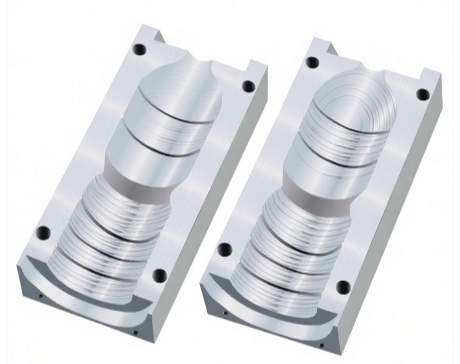
Technical Capability & RFQ
Compression Molding Services for Thermoset and Reinforced Plastic Parts
Discuss This PartCapability decision data
Technical fit for Compression molding
Use this capability summary to decide whether the process fits the part before discussing tooling, lead time or price.
- Best fit
- Thicker, strong parts made from thermoset, rubber-like or reinforced molding compounds.
- Design focus
- Charge position, flow, flash land, draft, inserts, wall transitions and cure behavior must be planned together.
- Material direction
- Thermosets, elastomers, SMC and BMC are selected for heat, electrical, chemical and structural requirements.
- Volume and cost logic
- Tooling and cure time are important; repeat production and material performance usually justify the process.
- Inspection focus
- Inspect cure, voids, flash, warpage, surface condition, insert position and critical dimensions.
- Compare against
- Compare with injection molding for thermoplastic thin-wall parts and machining for low-volume blocks or plates.
Product Description
Our compression molding service manufactures thermoset and reinforced plastic parts that need high strength, heat resistance, electrical performance or stable structural behavior.
Compression molding is often used for thicker parts, reinforced components, electrical insulation parts and high-strength industrial plastic products.
Manufacturing Capabilities
| Process | Thermoset compression molding, reinforced material molding and mold trial support |
| Materials | Phenolic, epoxy, melamine, BMC, SMC and selected reinforced plastic compounds |
| Products | Electrical parts, structural components, covers, handles, plates and heat-resistant components |
| Support | Material selection, mold review, curing control, trimming and inspection |
Materials and Options
- BMC/SMC for reinforced structural and electrical applications.
- Phenolic materials for heat-resistant and electrical insulation parts.
- Epoxy and reinforced compounds for high-strength custom components.
Typical Applications
Compression molded plastic parts are used in electrical equipment, automotive components, industrial machinery, appliance handles, insulation parts, structural covers and high-strength thermoset assemblies.
Example Project
A customer needed a reinforced thermoset cover with heat resistance and stable mounting holes. We reviewed the mold structure, curing conditions and trimming area, then inspected sample dimensions and surface condition before batch production.
Quality Control
- Drawing and requirement review before production.
- First article inspection before batch work.
- Dimensional checks for critical features and assembly areas.
- Appearance inspection for surface defects, color variation and processing marks.
- Protective packaging and final confirmation before shipment.
What We Need for a Quote
Please send 3D files, 2D drawings, material requirements, quantity, target tolerance, surface finish, color, application environment and any inspection standard. If the design is still early, we can help compare process options before production.
FAQ
When is compression molding better than injection molding?
Compression molding is often better for thermoset, reinforced and thicker parts that need heat resistance or high structural strength.
Can reinforced plastics be compression molded?
Yes. BMC, SMC and selected fiber-reinforced compounds are commonly used for stronger molded parts.
Do thermoset parts melt again after molding?
No. Thermoset materials cure during molding and do not remelt like common thermoplastics.
Related Services
Technical Parameters
| Model | CM-100 | CM-200 | CM-300 | CM-500 |
|---|---|---|---|---|
| -------------------------- | ------------------ | ------------------ | ------------------ | ------------------ |
| Clamping Force | 100 tons | 200 tons | 300 tons | 500 tons |
| Mold Size (Max) | 400×400 mm | 600×600 mm | 800×800 mm | 1000×1000 mm |
| Max Stroke | 400 mm | 500 mm | 600 mm | 700 mm |
| Heating Plate Temperature | 300 °C | 320 °C | 340 °C | 360 °C |
| Max Pressure | 50 MPa | 80 MPa | 100 MPa | 120 MPa |
| Cycle Time | 30-120 sec | 30-150 sec | 40-180 sec | 50-200 sec |
| Motor Power | 15 kW | 30 kW | 45 kW | 75 kW |
| Machine Dimensions (L×W×H) | 3×2×2.5 m | 4×2.5×3 m | 5×3×3.5 m | 6×3.5×4 m |
| Total Weight | 4 T | 8 T | 12 T | 18 T |
| Control System | PLC + Touch Screen | PLC + Touch Screen | PLC + Touch Screen | PLC + Touch Screen |
Samples
Related Manufacturing Capabilities
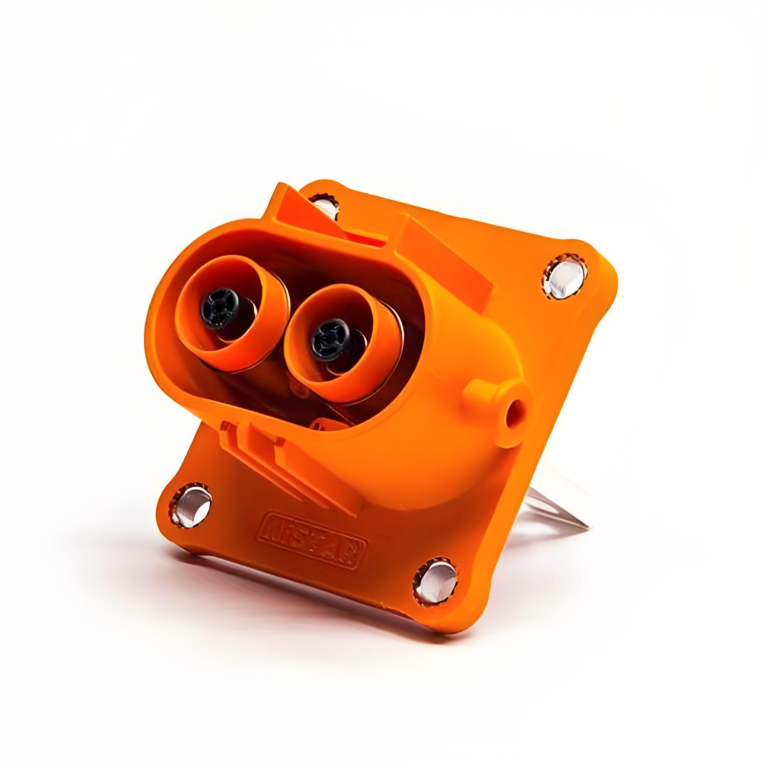
Thermosetting Molding Service | High-Performance Thermoset Components
Home/Products/Plastic molding/Thermosetting molding/Thermosetting Molding Service | High-Performance Thermoset Components Thermosetting molding is a specialized plastic processing method for manufacturing durable, heat-resistant, and…
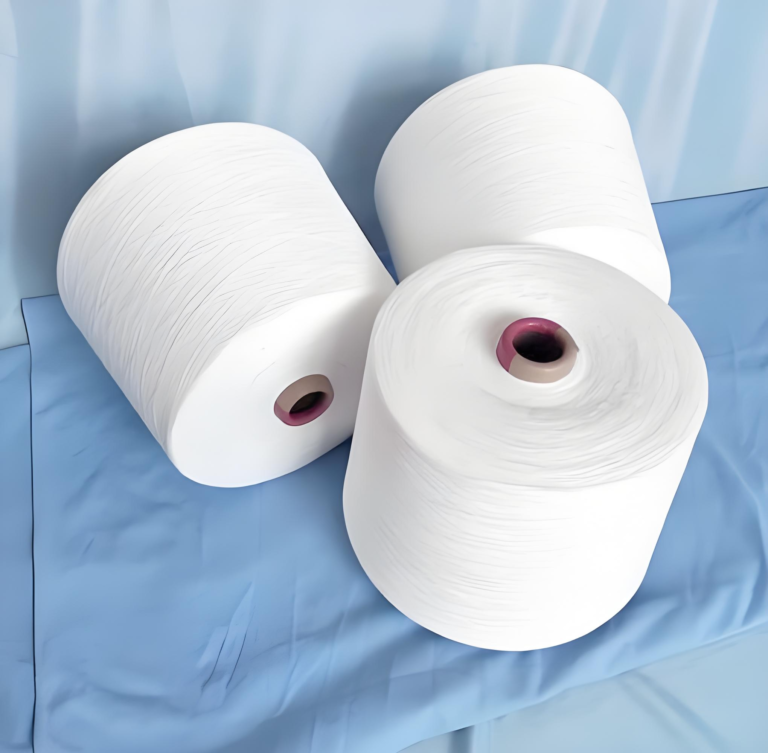
Fiber Spinning Service | Continuous & Functional Plastic Fibers
Home/Products/Plastic molding/Extrusion Molding/Fiber Spinning Service | Continuous & Functional Plastic Fibers Fiber Spinning is a specialized plastic processing method that transforms molten…
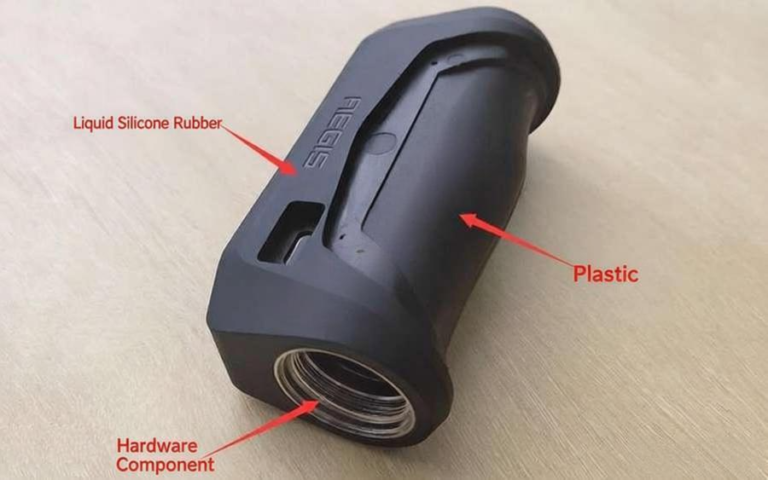
Multi-Component / Overmold Compression Molding Service | Functional Composite Components
Home/Products/Plastic molding/Compression Molding/Multi-Component / Overmold Compression Molding Service | Functional Composite Components Multi-Component or Overmold Compression Molding is an advanced thermoset process…
Is this process a fit for your part?
Send your drawing, material, quantity, finish and application requirements for a manufacturing review.