External Turning Service | Precision CNC Plastic Turning

External Turning is a precision CNC machining process used to remove material from the outer diameter of a rotating plastic workpiece. This method is ideal for producing cylindrical parts with accurate diameters, smooth surfaces, and tight tolerances. As a professional plastic parts manufacturer, we provide reliable custom CNC external turning services for shafts, bushings, rollers, […]

Product Description

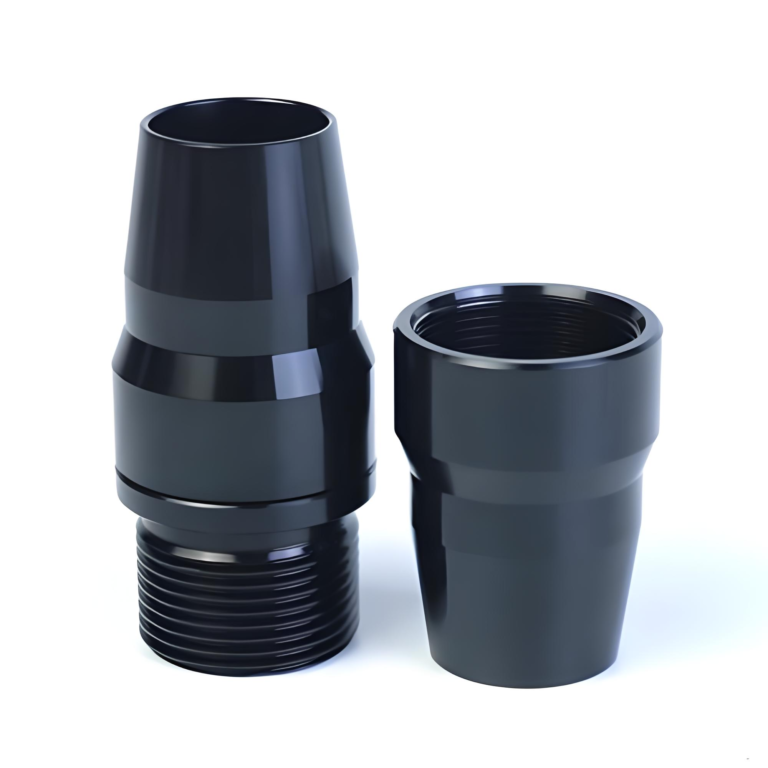
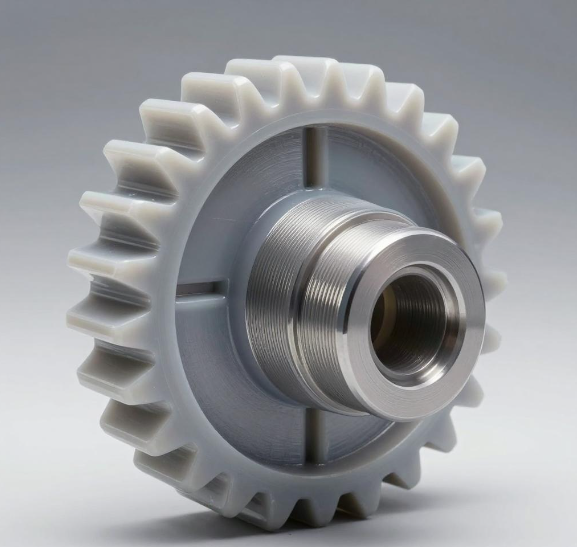
External Turning is a precision CNC machining process used to remove material from the outer diameter of a rotating plastic workpiece. This method is ideal for producing cylindrical parts with accurate diameters, smooth surfaces, and tight tolerances. As a professional plastic parts manufacturer, we provide reliable custom CNC external turning services for shafts, bushings, rollers, threaded components, and precision engineering plastic parts. Whether you need non-standard plastic machining or small-batch plastic parts customization, we deliver high machining accuracy, stable quality, and efficient production support.


Advantages of External Turning

Our External Turning Process

Material Preparation

Engineering plastic rods or molded blanks are prepared and securely clamped for stable machining operations.


CNC External Turning

The rotating workpiece is machined using precision cutting tools to achieve the required outer diameter, shape, and surface quality.


Finishing Operations

Additional machining processes such as grooving, threading, chamfering, or polishing are performed as needed.


Inspection & Quality Control

Finished components undergo dimensional inspection, surface roughness testing, and visual quality verification before shipment.


Common Plastic Materials for External Turning

MaterialKey BenefitsTypical Applications
POM (Acetal)High dimensional stabilityPrecision bushings and gears
PA (Nylon)Wear resistance and toughnessRollers and industrial shafts
PTFELow friction and chemical resistanceSealing and sliding components
ABSImpact resistanceMechanical housings
Acrylic (PMMA)Transparency and rigidityDisplay and optical components

Industry Applications


Quality Control & Precision Manufacturing


Cost Optimization & Production Efficiency


Why Choose Us

As an experienced plastic parts manufacturer, we specialize in precision CNC plastic turning, non-standard plastic machining, and small-batch plastic parts customization. From material selection and CNC programming to final inspection and finishing, we provide complete machining solutions for high-precision cylindrical plastic components.

Send us your drawings or machining requirements today for a free engineering evaluation and custom external turning consultation.


FAQ: External Turning Service (Precision CNC Plastic Turning)

What OD tolerance is achievable in precision external turning of engineering plastics?

On stable materials like POM, PEEK, and nylon, external turning can reliably hold ±0.02–0.05 mm on OD dimensions. Softer or moisture-sensitive materials show wider variation because of thermal expansion during cutting and dimensional change after machining. We specify measurement conditions on inspection records for tight-tolerance turning work.

How is the runout controlled between turned diameters on the same part?

When multiple diameters must be concentric, they are ideally turned in the same chucking (single setup) to avoid re-chucking error. For parts that must be reversed for second-end operations, a precision soft-jaw or collet chuck is used to hold the finish-turned diameter without damage or runout.

What surface finish is achievable on external turned plastic parts?

With sharp carbide tooling, controlled feeds, and appropriate cutting speed, external turning achieves Ra 0.4–1.6 µm on stable engineering plastics. A fine finishing pass at low feed rate can reach Ra 0.2–0.4 µm. Polishing with abrasive media improves further to below 0.1 µm for optical or sealing surfaces.

Can external turning produce tapered or contoured surfaces?

Yes. CNC lathes with interpolated X/Z axis movement can produce linear tapers, convex and concave profiles, and compound curves on external surfaces. Conical seats, Morse taper sections, and ball-end spindle protrusions are common examples.

How are long, slender plastic workpieces supported to prevent deflection during turning?

Workpieces with length-to-diameter ratios above 4:1 are supported by a steady rest or follow rest positioned near the cutting point. Without support, cutting forces deflect the workpiece, causing taper and poor surface finish. For very long parts, multiple support positions are used and adjusted as the cut progresses.

Technical Parameters

ParameterTypical Value / Range
Process TypeCNC External Turning
Supported MaterialsPOM, PA (Nylon), PTFE, ABS, PE, PP, Acrylic, PC
Maximum Turning DiameterUp to Ø500 mm
Maximum Turning LengthUp to 2000 mm
Dimensional Tolerance±0.01 mm – ±0.05 mm
Surface RoughnessRa 0.4 – 3.2 μm
Spindle Speed500 – 6000 RPM
Machining AccuracyHigh-Precision CNC Controlled
MOQPrototype to mass production
Secondary ServicesThreading, Drilling, Grooving, Polishing
NoteFinal machining specifications depend on material type, part geometry, and machining requirements.

Samples