Technical Capability & RFQ
Blow Molding Services for Custom Bottles, Containers and Hollow Parts
Discuss This PartCapability decision data
Technical fit for Plastic blow molding
Use this capability summary to decide whether the process fits the part before discussing tooling, lead time or price.
- Best fit
- Hollow plastic bottles, containers, reservoirs and ducts whose geometry can be formed around an internal air volume.
- Design focus
- Neck, handle, parting line, pinch-off, blow ratio and wall distribution determine which blow process is suitable.
- Material direction
- Blow-molding grades are selected for stiffness, drop, barrier, chemical, clarity and regulatory needs.
- Volume and cost logic
- Tooling and line setup favor repeat production; part weight, cycle, trimming and scrap handling drive unit cost.
- Inspection focus
- Check leakage, wall distribution, neck dimensions, flash, drop performance, capacity and cosmetic defects.
- Compare against
- Compare extrusion, injection and stretch blow molding first, then rotational molding for much larger hollow products.
Product Description
Our blow molding service produces custom plastic bottles, containers, tanks and hollow plastic components for packaging, industrial and consumer product applications.
Blow molding is suitable for hollow parts that need lightweight structure, consistent wall distribution, sealed volume and repeatable production quality.
Manufacturing Capabilities
| Processes | Extrusion blow molding, stretch blow molding and selected custom hollow part support |
| Materials | HDPE, LDPE, PP, PET, PVC and selected engineering plastics |
| Products | Bottles, containers, tanks, ducts, reservoirs, handles and hollow industrial parts |
| Support | Design review, mold trial, trimming, leak testing, assembly and packaging |
Materials and Options
- HDPE for durable bottles, tanks and chemical-resistant containers.
- PET for clear bottles and packaging applications.
- PP for lightweight containers with good heat and chemical resistance.
- PVC for selected industrial hollow parts.
Typical Applications
Blow molded products are used for packaging bottles, industrial containers, automotive reservoirs, cleaning product containers, medical packaging, toys, ducts and custom hollow plastic parts.
Example Project
A customer needed a small HDPE container with stable neck dimensions and leak resistance. We reviewed wall thickness, mold parting line, trimming area and cap fit, then checked sample weight and leak performance before production.
Quality Control
- Drawing and requirement review before production.
- First article inspection before batch work.
- Dimensional checks for critical features and assembly areas.
- Appearance inspection for surface defects, color variation and processing marks.
- Protective packaging and final confirmation before shipment.
What We Need for a Quote
Please send 3D files, 2D drawings, material requirements, quantity, target tolerance, surface finish, color, application environment and any inspection standard. If the design is still early, we can help compare process options before production.
FAQ
What parts are suitable for blow molding?
Blow molding is mainly used for hollow plastic parts such as bottles, containers, reservoirs, ducts and tanks.
Can you make custom bottle shapes?
Yes. Custom shapes usually require mold development and review of neck finish, wall thickness and trimming areas.
Do you provide leak testing?
Leak testing can be arranged for containers or hollow parts where sealing performance is important.
Related Services
Technical Parameters
| Model | BM-100 | BM-200 | BM-300 | BM-500 | BM-800 |
|---|---|---|---|---|---|
| -------------------------- | --------------------- | --------------------- | --------------------- | --------------------- | --------------------- |
| Molding Method | Extrusion / Injection | Extrusion / Injection | Extrusion / Injection | Extrusion / Injection | Extrusion / Injection |
| Max Parison Weight | 100 g | 200 g | 300 g | 500 g | 800 g |
| Clamping Force | 50 tons | 100 tons | 150 tons | 200 tons | 250 tons |
| Max Parison Diameter | 40 mm | 60 mm | 80 mm | 100 mm | 120 mm |
| Max Product Volume | 1 L | 2 L | 5 L | 10 L | 20 L |
| Heating Method | Electric / Infrared | Electric / Infrared | Electric / Infrared | Electric / Infrared | Electric / Infrared |
| Heating Temperature | 180-300 °C | 180-300 °C | 180-300 °C | 180-320 °C | 180-320 °C |
| Screw Diameter (EBM) | 45 mm | 60 mm | 75 mm | 90 mm | 120 mm |
| Extrusion Output (EBM) | 5-15 kg/h | 10-25 kg/h | 20-40 kg/h | 40-80 kg/h | 60-120 kg/h |
| Cycle Time | 15-50 sec | 15-60 sec | 20-80 sec | 25-100 sec | 30-120 sec |
| Cooling Method | Air / Water | Air / Water | Air / Water | Air / Water | Air / Water |
| Motor Power | 7.5 kW | 15 kW | 22 kW | 37 kW | 55 kW |
| Machine Dimensions (L×W×H) | 3×1.5×2 m | 4×2×2.5 m | 5×2.5×2.8 m | 6×3×3 m | 7×3.5×3.5 m |
| Total Weight | 2 T | 4 T | 6 T | 10 T | 15 T |
| Control System | PLC + Touch Screen | PLC + Touch Screen | PLC + Touch Screen | PLC + Touch Screen | PLC + Touch Screen |
Samples
Related Manufacturing Capabilities
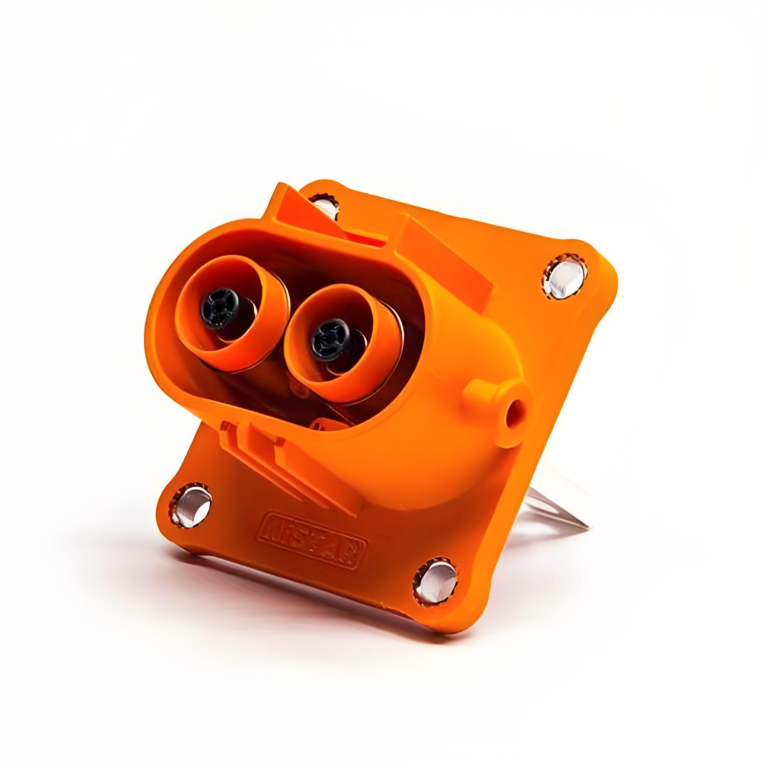
Thermosetting Molding Service | High-Performance Thermoset Components
Home/Products/Plastic molding/Thermosetting molding/Thermosetting Molding Service | High-Performance Thermoset Components Thermosetting molding is a specialized plastic processing method for manufacturing durable, heat-resistant, and…
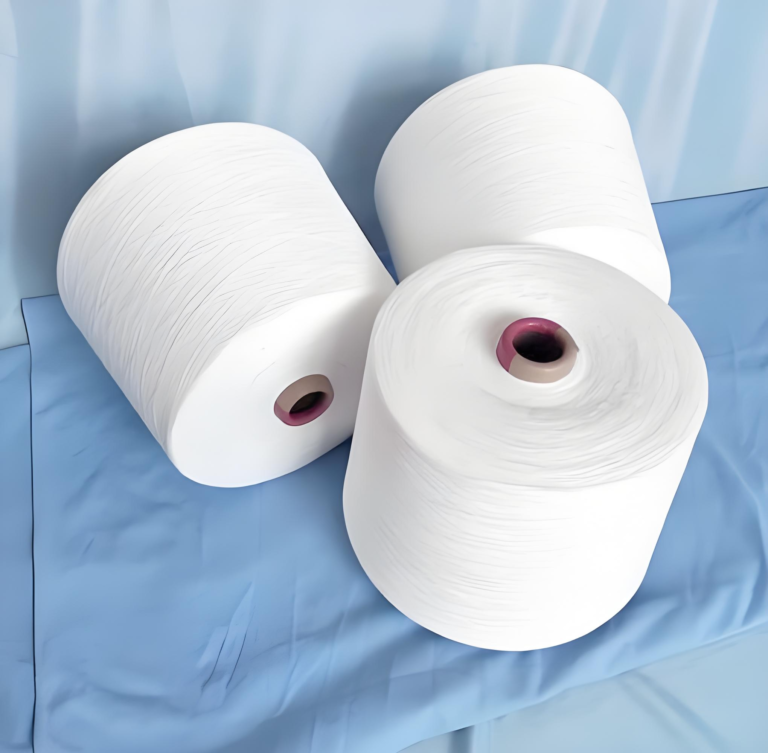
Fiber Spinning Service | Continuous & Functional Plastic Fibers
Home/Products/Plastic molding/Extrusion Molding/Fiber Spinning Service | Continuous & Functional Plastic Fibers Fiber Spinning is a specialized plastic processing method that transforms molten…
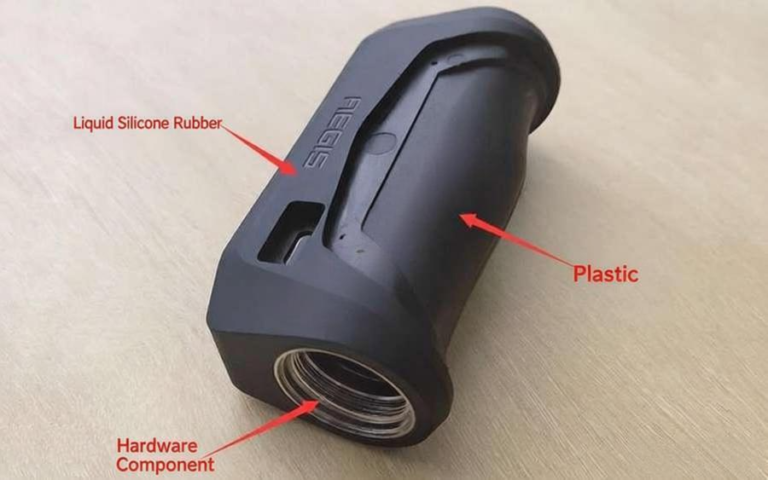
Multi-Component / Overmold Compression Molding Service | Functional Composite Components
Home/Products/Plastic molding/Compression Molding/Multi-Component / Overmold Compression Molding Service | Functional Composite Components Multi-Component or Overmold Compression Molding is an advanced thermoset process…
Is this process a fit for your part?
Send your drawing, material, quantity, finish and application requirements for a manufacturing review.