Industry News Archive
Extrusion Automation Debuts Film-Recycling Machine
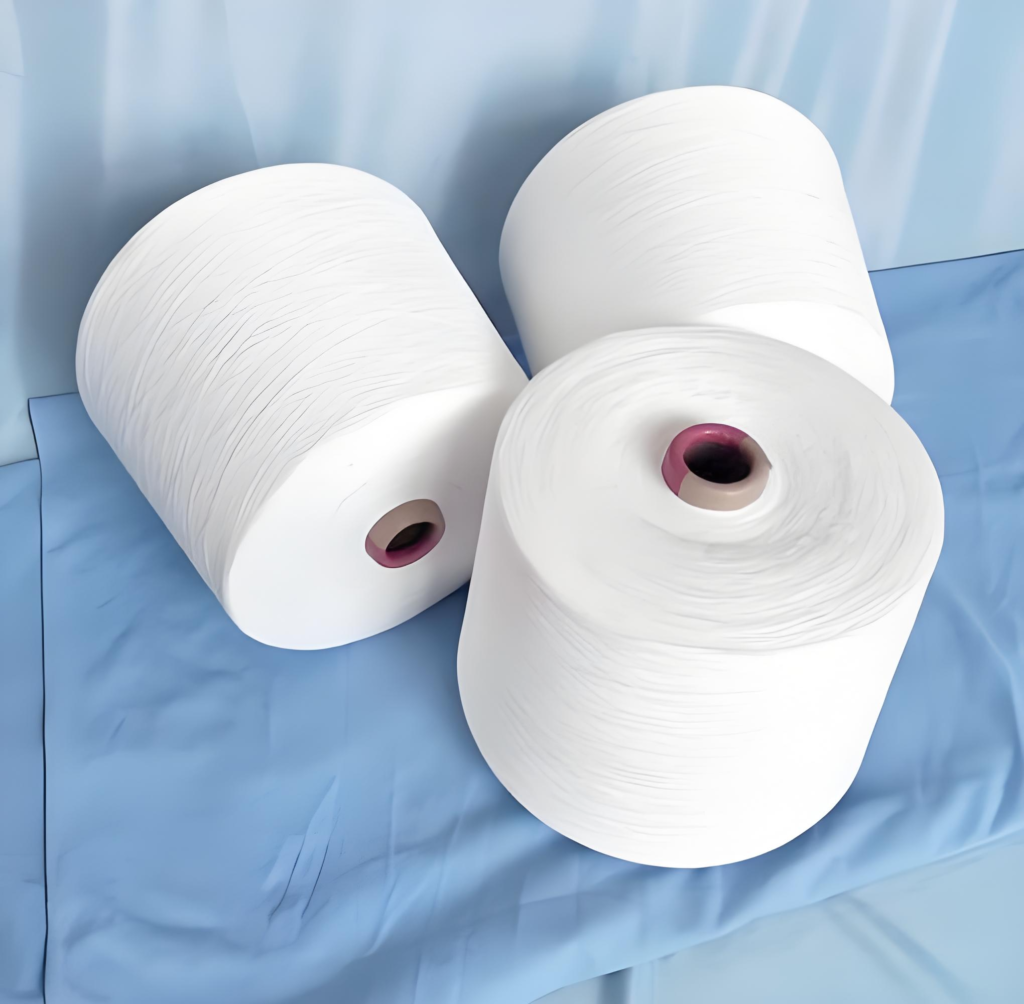
Extrusion Automation, a specialist in extrusion equipment, announced the launch of a new film-recycling machine today. The system is engineered to convert post-industrial and post-consumer plastic films into high-quality recycled pellets, providing manufacturers and recyclers with a compact solution to tackle flexible packaging waste.
Addressing the Plastic Film Waste Challenge
Plastic films, widely used in packaging, agriculture, and construction, represent a significant portion of global plastic waste. Their lightweight and often contaminated nature makes them difficult to collect, sort, and reprocess using conventional methods. Without dedicated recycling infrastructure, a large volume of film ends up in landfills or incinerators. The new machine aims to close this loop by enabling on-site or near-site recycling, reducing transportation costs and environmental impact while supplying valuable secondary raw materials.
Integrated Recycling Technology
The film-recycling machine combines several processing stages into one footprint. First, a shredding and grinding unit reduces the film into uniform flakes—a step that echoes dedicated Plastic Grinding & Polishing Services. These flakes then pass through a washing and drying system to remove contaminants such as labels, adhesives, and organic residue. The cleaned material enters an extruder where it is melted, filtered, and pelletized, similar to commercial Plastic Extrusion Services for Pipes, Profiles, and Industrial Applications. The resulting pellets can be used as a drop-in replacement for virgin resin in blown film, injection molding, or other conversion processes.
Impact on the Plastics Industry
By offering a streamlined recycling path, the machine supports circular economy goals across the plastics value chain. Processors can reclaim their own scrap film, lowering raw material costs, while independent recyclers gain a tool to process a broader range of film waste. The technology aligns with regulatory pressures and brand commitments to increase recycled content in packaging, potentially reducing the industry’s reliance on fossil-fuel-based polymers.
Extrusion Automation plans to showcase the system at upcoming trade shows, where it expects to generate interest from packaging producers, waste management companies, and plastics compounders seeking to enhance their sustainability portfolios.
Why This Matters
The debut of compact film-recycling machines addresses a critical gap in plastics sustainability. Flexible films, widely used in packaging, are notoriously difficult to recycle due to contamination and lightweight nature. On-site recycling solutions can reduce transportation emissions and create a circular economy for film waste, lowering the carbon footprint of plastic products.
FAQ
How does a film-recycling machine work?
Most film-recycling machines integrate shredding, washing, drying, melting, and pelletizing in a continuous process. The plastic film is first ground into flakes, cleaned to remove contaminants, then melted and extruded through a die, cut into pellets, and cooled. These pellets can then be used to manufacture new plastic products.
What types of plastic films can be recycled?
Commonly recycled films include low-density polyethylene (LDPE), linear low-density polyethylene (LLDPE), high-density polyethylene (HDPE), and polypropylene (PP) films. Multi-layer films and those with heavy printing or adhesives are more challenging but can be processed with advanced washing and filtration systems.
Why is plastic film recycling challenging?
Films are lightweight, easily contaminated by food or labels, and often mix different polymer types. They can clog standard sorting equipment and require specialized handling. Collection and transportation costs are high relative to their weight, making economic viability difficult without efficient on-site systems.
What are the benefits of on-site film recycling?
On-site recycling eliminates the need to transport bulky film waste, reduces carbon emissions, and provides immediate access to recycled content for production. It can cut raw material costs, improve supply chain resilience, and help companies meet sustainability targets by closing the loop internally.