Industry News Archive
Plastics Processing Activity Expands in April, Breaking Two-Month Slump
After two consecutive months of contraction, the plastics processing sector reversed course in April, with a widely watched industry index inching back above the 50-point expansion threshold. The index, derived from a monthly survey of processors, had slipped below 50 in February and remained there through March, reflecting a softening in orders after a robust 2023. The April rebound came as a surprise to some analysts who had anticipated continued headwinds from elevated interest rates and sluggish global trade.
New orders and production volumes both contributed to the gain, according to the survey data. Employment levels held steady, while supplier deliveries lengthened slightly—a sign that activity was building across the value chain. Backlogs ticked up modestly, indicating that near-term demand could sustain output in the coming weeks.
Injection Molding and Extrusion Drive the Rebound
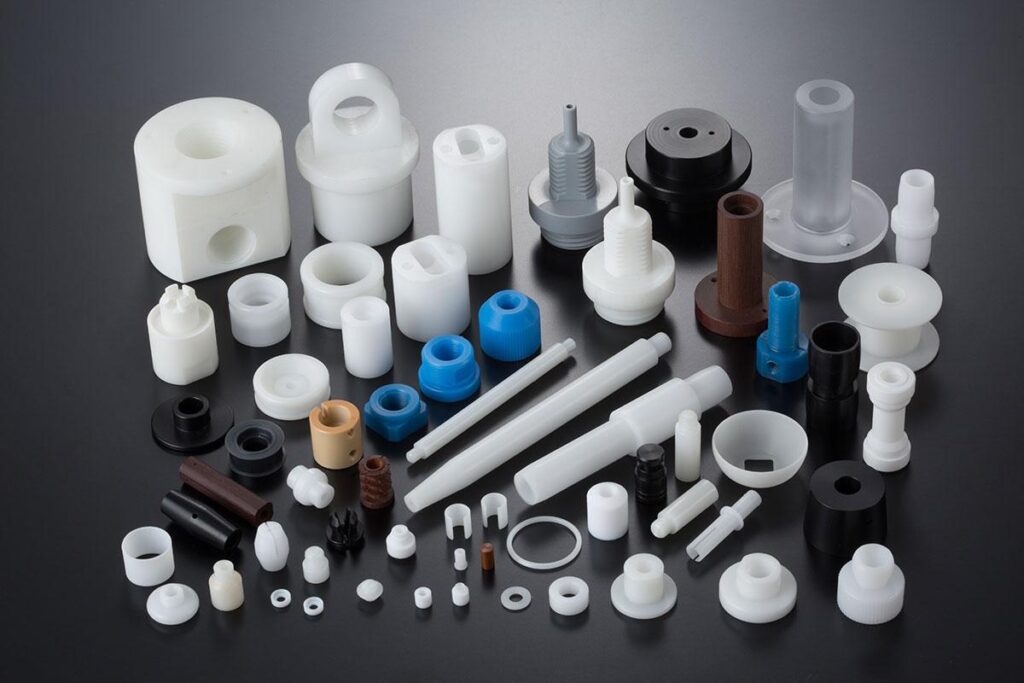
The recovery was uneven across process types, but injection molding and extrusion stood out as the primary growth engines. Custom molders reported an influx of orders from packaged goods, medical device, and consumer electronics customers, many seeking to replenish inventories ahead of the summer months. This increased demand translated into higher utilization of injection molding services for custom plastic parts, particularly for high-volume production runs.
Similarly, extrusion processors saw a bump in activity, fueled by construction and infrastructure projects that require pipe, profile, and sheet products. Producers of PVC and HDPE pipe noted a seasonal uptick, while packaging film extruders benefited from steady food and e-commerce demand. The trend underscored the importance of plastic extrusion services for pipes, profiles, and industrial applications in the overall index improvement.
Other process categories, including blow molding and thermoforming, recorded more modest gains, with demand tied largely to the packaging and disposable consumer goods sectors.
Challenges Persist Despite the Upturn
Raw material costs remain a wildcard. Resin prices for polyethylene and polypropylene have been volatile, squeezing margins for processors locked into fixed-price contracts. While some relief came from modest decreases in certain grades, the overall cost environment kept planners cautious.
Trade policy uncertainty added another layer of complexity. Ongoing tariff disputes and the threat of new duties on imported goods created hesitation among customers, making long-term planning difficult. Several survey respondents pointed to delayed capital investments and a wait-and-see approach to inventory building.
Labor availability also surfaced as a persistent concern, with many shops struggling to find skilled technicians for advanced molding and extrusion lines.
Outlook: Optimism Tempered by Caution
Looking ahead, processors expressed guarded optimism. The forward-looking new orders component suggested that demand could remain positive in the near term, but expectations for the broader economy were mixed. Many saw the April gain as a temporary reprieve rather than the start of a sustained rally.
For the industry, the path forward hinges on balancing cost management with capacity flexibility. Shops that have diversified into medical, packaging, and other recession-resistant end markets appear best positioned. Meanwhile, the push toward sustainability and lightweighting continues to influence material and process choices, keeping investments in advanced machinery and automation high on the agenda.
The April data, while encouraging, served as a reminder that resilience in plastics processing depends as much on adaptability as on market demand.
Why This Matters
The April uptick in plastics processing suggests that domestic demand for packaging and durable goods remains resilient, even as broader manufacturing jitters persist. For converters and molders, the data underscores the need to hedge against resin price fluctuations and trade policy shifts, while continuing to invest in automation and process efficiency to protect margins.
FAQ
What is the plastics processing index and how is it measured?
The plastics processing index is typically based on a monthly survey of manufacturers, tracking metrics like new orders, production, employment, and supplier deliveries. A reading above 50 signals expansion, while below 50 indicates contraction. It provides a timely snapshot of the industry’s health.
Why did plastics processing improve in April?
Improvement was driven by a rise in new orders from packaging, medical, and consumer goods sectors. Seasonal inventory builds and easing of some supply chain bottlenecks also contributed, as processors ramped up to meet spring demand.
Which plastics processing technologies are currently seeing the most growth?
Injection molding and extrusion remain dominant growth areas, driven by packaging, automotive, and construction applications. Blow molding and thermoforming also saw steady demand, particularly for containers and disposable products.
What uncertainties could affect plastics processing in the coming months?
Key uncertainties include volatile resin prices, lingering trade tensions, and potential shifts in consumer spending. Additionally, labor shortages and sustainability regulations could pose challenges for smaller processors.