
Technical Capability & RFQ
Plastic Foaming Services for Lightweight and Protective Solutions
Discuss This PartCapability decision data
Technical fit for Plastic foam manufacturing
Use this capability summary to decide whether the process fits the part before discussing tooling, lead time or price.
- Best fit
- Lightweight cushioning, insulation, sealing or energy-absorption parts where controlled cellular structure matters.
- Design focus
- Density, cell structure, compression set, skin, thickness and environmental exposure should be specified.
- Material direction
- PE, PU, EVA, PS and other foam families differ in resilience, insulation, chemical and temperature behavior.
- Volume and cost logic
- Sheet conversion, molding or continuous foaming each have different tooling and quantity thresholds.
- Inspection focus
- Check density, thickness, compression behavior, cell consistency, dimensions and surface condition.
- Compare against
- Compare molded foam with die-cut sheet, extruded foam and solid elastomers according to geometry and load response.
Product Description
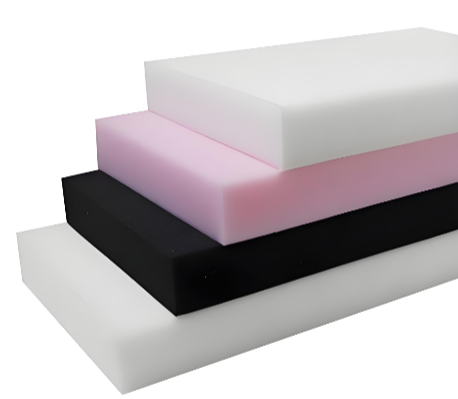
When your products demand lightweight structure, shock absorption, and cost efficiency, plastic foaming is the ideal manufacturing method. Our advanced plastic foaming services use optimized plastic foaming processes to create high-performance foam products for packaging, insulation, and industrial applications.
With modern foaming machines, we deliver scalable and reliable plastic processing solutions designed for industries that require protection, efficiency, and material savings.
How the Foaming Process Works
Our production follows a controlled plastic foaming process:
Polymer + foaming agent → Heating → Expansion → Cooling → Finished foam product
During this process, a foaming agent is introduced into the plastic material, causing it to expand and form a cellular structure. This results in:
- Reduced material density
- Excellent cushioning performance
- Improved thermal insulation
This plastic foam manufacturing process is widely used for producing protective and lightweight products.
What We Manufacture
Foam Packaging (EPE / EPS)
We produce high-quality foam packaging materials such as EPE (Expanded Polyethylene) and EPS (Expanded Polystyrene), widely used for:
- Electronics protection
- Fragile goods packaging
- Transportation safety
Key benefits:
- Excellent shock absorption
- Lightweight for reduced shipping costs
- Custom shapes for product fit
Thermal Insulation Materials
Our foam insulation products are designed for efficient temperature control in:
- Building insulation
- Cold chain logistics
- Appliance insulation systems
Using advanced plastic foaming technology, we ensure:
- Low thermal conductivity
- Energy efficiency
- Long-term performance
Foam Boards
We manufacture foam boards for construction and industrial use. These boards offer:
- Lightweight structure
- Easy handling and installation
- Good mechanical strength
Ideal for building material companies and interior applications.
Protective Cushioning Materials (E-commerce & Logistics)
Our protective foam solutions are widely used in express delivery and logistics. Designed for modern packaging needs, they provide:
- Reliable impact resistance
- Custom-fit protection for various products
- Cost-effective large-scale production
Perfect for e-commerce businesses and packaging suppliers.
Key Advantages of Plastic Foaming
- Lightweight Structure
Reduced material density lowers transportation and production costs. - Excellent Impact Resistance
The cellular structure absorbs shocks and protects sensitive products. - Cost Efficiency
Less raw material usage while maintaining performance. - Thermal Insulation Properties
Ideal for temperature-sensitive applications.
Our Equipment & Capabilities
We operate advanced foaming machines (foaming molding equipment) designed for precision and efficiency:
- Accurate control of expansion and density
- Compatibility with various materials (EPE, EPS, and more)
- Stable, high-volume production capacity
Our integrated plastic processing equipment ensures full control across the entire plastic manufacturing process, delivering consistent quality from raw materials to finished products.
Who We Serve
We support a wide range of industries:
- Packaging & E-commerce Companies
Protective solutions for shipping and logistics. - Construction & Building Material Companies
Insulation and structural foam products. - Appliance Manufacturers
Internal insulation and protective components. - Logistics & Distribution Businesses
Cost-effective cushioning materials for transportation.
Why Choose Us?
- Expertise in Plastic Foaming Technology
Deep understanding of plastic foaming processes and material performance. - Custom OEM Solutions
Tailored designs based on your product and packaging needs. - Consistent Quality Assurance
Strict monitoring throughout the plastic production process. - Global Service Capability
Reliable communication and delivery for international clients.
Let’s Lighten and Protect Your Products
If you’re looking for a trusted partner in plastic foaming and lightweight material solutions, we’re ready to support your business from concept to mass production.
Contact us today to explore how our foam manufacturing solutions can improve protection, reduce costs, and enhance your product performance.
FAQ: Plastic Foaming Services for Lightweight and Protective Solutions
What is the difference between open-cell and closed-cell plastic foam?
Open-cell foam has cells that are connected and permeable, which gives it softness, acoustic absorption, and breathability. Closed-cell foam has sealed individual cells that trap gas, providing buoyancy, thermal insulation, compressive resistance, and moisture resistance. The cell structure is controlled by the foaming agent, processing conditions, and polymer type.
Which plastics are most commonly foamed for industrial applications?
EPS (expanded polystyrene) and EPP (expanded polypropylene) are dominant for cushioning and protective packaging. PU foam covers a wide range from flexible furniture foam to rigid insulation. PE foam is used for protective packaging and impact damping. Material selection depends on density, resilience, temperature range, and chemical exposure.
How is foam density controlled during production?
Foam density is controlled by the type and quantity of blowing agent, processing temperature, and mold or die back-pressure. Higher blowing agent concentration and lower back-pressure produce lower-density (more foamed) material. Density is the primary specification for most foam products because it directly correlates with mechanical performance and material cost.
Can foam parts be produced to custom shapes and dimensions?
Yes. Bead foam processes (EPS, EPP) use shaped molds to produce near-net-shape parts. Sheet and rod foam are cut by CNC routing, hot wire, or waterjet to custom profiles. Complex shapes that require internal features or compound curves are best addressed during the mold design stage for bead foam.
What certifications are available for foam materials used in food contact or medical applications?
Food-grade EPS and PE foam packaging complies with FDA 21 CFR and EU 10/2011 food contact regulations. Medical cushioning foams can be supplied with biocompatibility documentation per ISO 10993. These requirements should be identified at project start.
Related products: Fiber Reinforced Compression Molding Service | High-Strength Structural Components, Thermosetting Molding Service | High-Performance Thermoset Components, Multilayer Blow Molding Service | High-Barrier Plastic Packaging Solutions, Compression Molding Services for High-Strength Thermoset Plastic Parts, Multi-color / Multi-material Injection Molding (Multi-shot Injection Molding).
Technical Parameters
| Model | GF-90 | GF-105 | GF-120 | GF-150 |
|---|---|---|---|---|
| ------------------- | ---------------- | ---------------- | ---------------- | ---------------- |
| Screw Diameter | 90 mm | 105 mm | 120 mm | 150 mm |
| Screw L/D Ratio | 55:1 | 55:1 | 55:1 | 55:1 |
| Main Motor Power | 75 kW | 90 kW | 110 kW | 160 kW |
| Production Capacity | 80-120 kg/h | 120-200 kg/h | 200-300 kg/h | 300-500 kg/h |
| Foam Ratio | 20-40 Times | 20-48 Times | 20-48 Times | 20-48 Times |
| Product Width | 1000-1400 mm | 1000-1800 mm | 1000-2000 mm | 1000-2000 mm |
| Product Thickness | 0.5-4.5 mm | 0.5-6.5 mm | 1-10 mm | 1-15 mm |
| Screw Speed | 5-45 r/min | 5-45 r/min | 5-45 r/min | 5-45 r/min |
| Cooling Method | Water Cooling | Water Cooling | Water Cooling | Water Cooling |
| Heating Method | Electric Heating | Electric Heating | Electric Heating | Electric Heating |
| Installed Power | 110 kW | 130 kW | 180 kW | 260 kW |
| Machine Dimension | 22×2.3×2.2 m | 25×2.3×2.2 m | 28×2.5×2.5 m | 32×2.8×3.0 m |
| Total Weight | 8.5 T | 10 T | 13 T | 18 T |
Samples
Related Manufacturing Capabilities
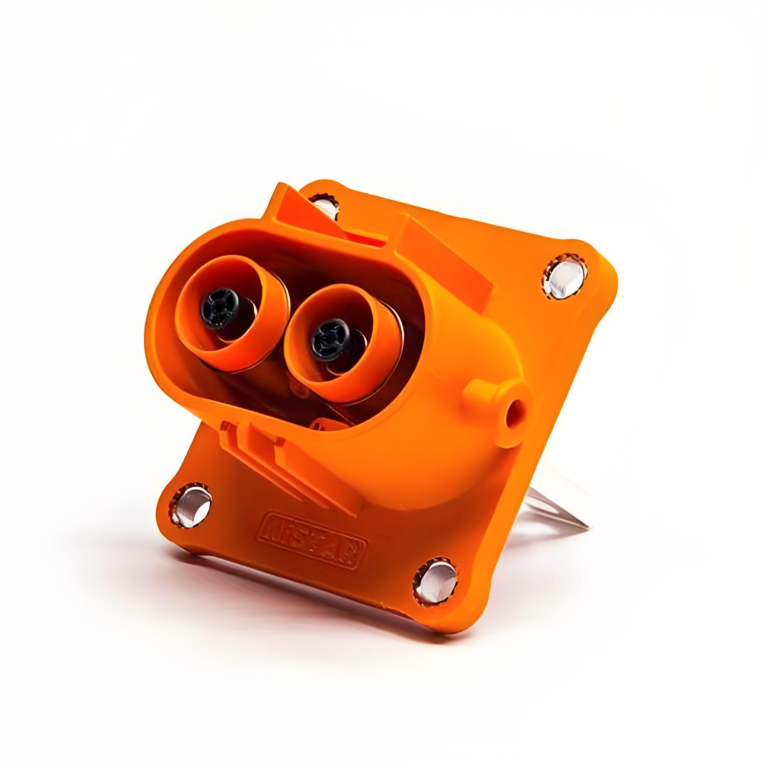
Thermosetting Molding Service | High-Performance Thermoset Components
Home/Products/Plastic molding/Thermosetting molding/Thermosetting Molding Service | High-Performance Thermoset Components Thermosetting molding is a specialized plastic processing method for manufacturing durable, heat-resistant, and…
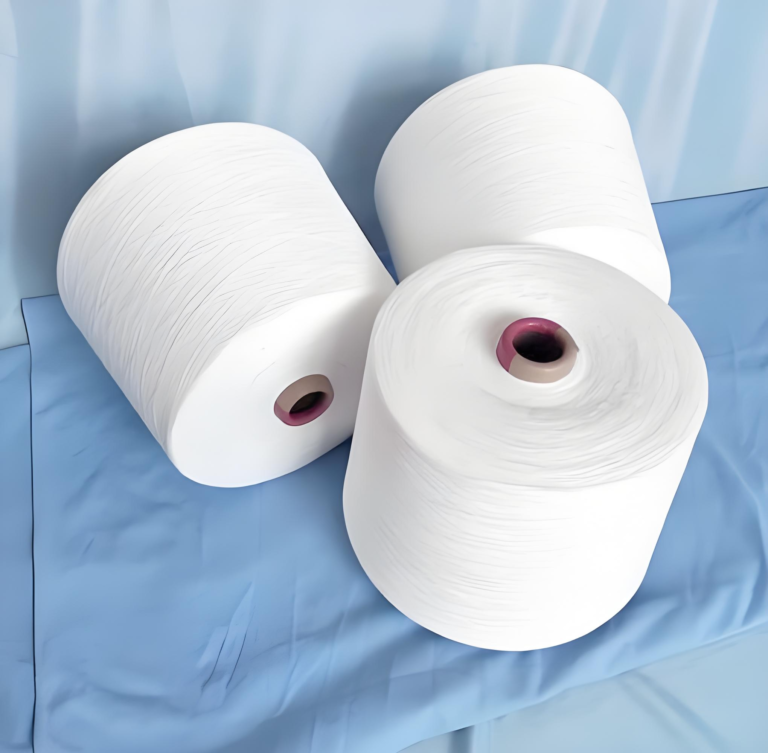
Fiber Spinning Service | Continuous & Functional Plastic Fibers
Home/Products/Plastic molding/Extrusion Molding/Fiber Spinning Service | Continuous & Functional Plastic Fibers Fiber Spinning is a specialized plastic processing method that transforms molten…
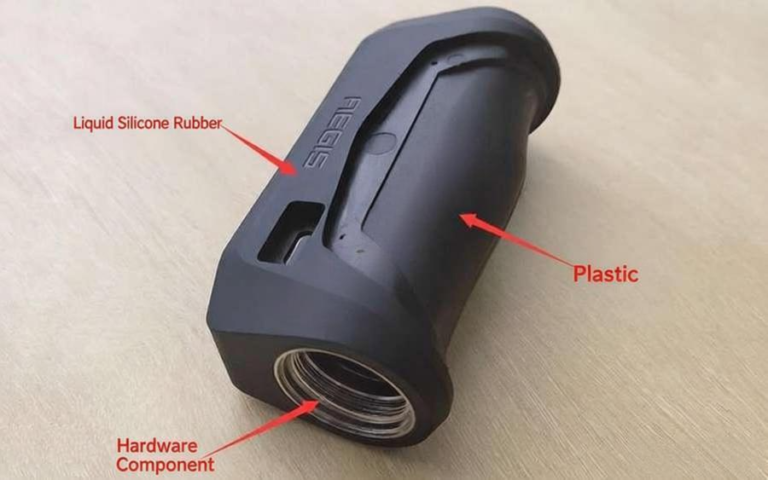
Multi-Component / Overmold Compression Molding Service | Functional Composite Components
Home/Products/Plastic molding/Compression Molding/Multi-Component / Overmold Compression Molding Service | Functional Composite Components Multi-Component or Overmold Compression Molding is an advanced thermoset process…
Is this process a fit for your part?
Send your drawing, material, quantity, finish and application requirements for a manufacturing review.