Technical Capability & RFQ
Multilayer Blow Molding Service | High-Barrier Plastic Packaging Solutions
Discuss This PartCapability decision data
Technical fit for Plastic blow molding
Use this capability summary to decide whether the process fits the part before discussing tooling, lead time or price.
- Best fit
- Hollow plastic bottles, containers, reservoirs and ducts whose geometry can be formed around an internal air volume.
- Design focus
- Neck, handle, parting line, pinch-off, blow ratio and wall distribution determine which blow process is suitable.
- Material direction
- Blow-molding grades are selected for stiffness, drop, barrier, chemical, clarity and regulatory needs.
- Volume and cost logic
- Tooling and line setup favor repeat production; part weight, cycle, trimming and scrap handling drive unit cost.
- Inspection focus
- Check leakage, wall distribution, neck dimensions, flash, drop performance, capacity and cosmetic defects.
- Compare against
- Compare extrusion, injection and stretch blow molding first, then rotational molding for much larger hollow products.
Product Description
Multilayer Blow Molding Service | High-Barrier Plastic Packaging Solutions
Intro Paragraph:
Multilayer Blow Molding is an advanced plastic manufacturing process that uses multiple material layers within a single hollow product to improve strength, barrier performance, chemical resistance, and durability. By combining different functional materials, multilayer structures can optimize product performance while reducing overall material costs. As a professional plastic parts manufacturer, we provide reliable custom multilayer blow molding solutions for food packaging, automotive fuel tanks, and industrial chemical containers. Whether you need non-standard plastic molding or small-batch plastic parts customization, we deliver precision manufacturing with stable quality and efficient production support.
Advantages of Multilayer Blow Molding
- Enhanced Barrier Performance
Multi-layer structures improve resistance to oxygen, moisture, fuel vapor, and chemicals. - Improved Structural Strength
Reinforced layers increase durability, pressure resistance, and impact performance. - Optimized Material Usage
Functional materials can be used only where needed, reducing overall production costs. - Recycled Material Integration
Recycled core layers support sustainable manufacturing while maintaining product performance. - Excellent Product Stability
Multi-layer construction improves dimensional stability and long-term durability.
Common Multilayer Structures
EVOH Barrier Layer
EVOH (Ethylene Vinyl Alcohol) provides excellent gas and oxygen barrier performance, making it ideal for food and fuel packaging applications.
Benefits:
- Improved shelf life
- Reduced gas permeability
- Enhanced product freshness
Typical Applications:
- Food packaging containers
- Beverage packaging
- Fuel system components
PA Reinforcement Layer
PA (Nylon) layers improve structural strength, wear resistance, and chemical durability for technical industrial products.
Benefits:
- High mechanical strength
- Improved impact resistance
- Better chemical resistance
Typical Applications:
- Automotive fuel tanks
- Industrial fluid containers
- Technical hollow components
Recycled Material Core Layer
Recycled resin layers are integrated into the middle structure to reduce raw material costs and improve sustainability.
Benefits:
- Lower production cost
- Reduced material waste
- Environmentally friendly manufacturing
Typical Applications:
- Industrial chemical containers
- Packaging drums
- Transportation containers
Our Multilayer Blow Molding Process
Material Layer Engineering
We design customized layer structures based on barrier requirements, mechanical performance, and environmental conditions.
Multi-Layer Parison Extrusion
Multiple extruders simultaneously feed different materials into a specialized die head to create a layered parison structure.
Blow Molding Formation
Compressed air expands the multilayer parison into the mold cavity, forming the final hollow product shape.
Cooling & Stabilization
Controlled cooling systems ensure stable layer adhesion, dimensional consistency, and structural integrity.
Inspection & Quality Testing
Finished products undergo leak testing, dimensional inspection, and layer adhesion verification before shipment.
Industry Applications
- Food Packaging
High-barrier containers that preserve freshness and extend shelf life. - Automotive Fuel Tanks
Multi-layer fuel systems with low fuel vapor permeability and high chemical resistance. - Chemical Packaging
Durable industrial containers resistant to aggressive chemicals and environmental exposure. - Industrial Storage Solutions
Large multilayer containers with enhanced durability and structural stability.
Quality Control & Precision Manufacturing
- Stable Layer Adhesion
Advanced process control ensures strong bonding between material layers. - Consistent Wall Thickness
Precision extrusion systems improve dimensional accuracy and durability. - Leak & Barrier Performance Testing
Products are tested for sealing performance, permeability, and structural reliability. - Advanced Inspection Equipment
Strict quality inspection ensures stable production performance across batches.
Cost Optimization & Production Efficiency
- Reduced Raw Material Costs
Multi-layer designs allow strategic use of premium materials only in functional layers. - Lower Product Weight
Lightweight structures reduce transportation and handling costs. - Integrated Recycling Solutions
Recycled core layers improve sustainability without sacrificing product quality. - Flexible Manufacturing Capacity
Supports prototype development, small-batch customization, and high-volume production.
Why Choose Us
As an experienced plastic parts manufacturer, we specialize in Multilayer Blow Molding, non-standard plastic molding, and small-batch plastic parts customization. From material engineering and mold development to mass production and quality inspection, we provide complete manufacturing solutions for high-performance multilayer plastic products.
Send us your drawings or packaging requirements today for a free engineering evaluation and custom multilayer blow molding consultation.
FAQ: Multilayer Blow Molding Service (High-Barrier Packaging)
Why is multilayer blow molding used instead of single-layer for barrier packaging?
No single polymer combines high barrier (oxygen, moisture, chemical), mechanical toughness, clarity, and processability. Multilayer structures allocate each function to the layer best suited for it—typically HDPE outer and inner for toughness, with an EVOH or nylon layer for barrier performance.
What barrier layers are available in multilayer blow molding?
EVOH (ethylene vinyl alcohol) is the most common oxygen barrier layer. PA (nylon) provides both oxygen and chemical resistance. PVDC is used for extreme barrier requirements. Adhesive tie layers bond incompatible materials like HDPE and EVOH. Layer selection depends on the barrier target and the stored product.
How does regrind affect multilayer container performance?
Regrinding multilayer material blends the layers, disrupting the barrier structure. Mixed regrind from trim and flash is often used as an internal layer in non-barrier position to maintain material efficiency without compromising barrier performance.
Can multilayer containers achieve recycling certification?
Recyclability depends on the layer composition. HDPE/EVOH structures can be recycled in HDPE streams if the EVOH content is low enough (typically under 5% by weight), though this varies by market and certifying body. We can provide material composition data to support recycling compliance assessments.
What shelf-life extension is realistically achievable with EVOH barrier layers?
Oxygen-sensitive products like edible oils and fruit juices typically achieve 12–24 months shelf life in EVOH barrier containers versus 3–6 months in single-layer HDPE. The actual improvement depends on the EVOH thickness, product oxygen sensitivity, storage temperature, and distribution conditions.
Related products: Stretch Blow Molding Service | High-Strength Plastic Container Manufacturing, Blow Molding Services for Bottles and Industrial Containers, Suction Blow Molding Service | Complex Hollow Plastic Part Manufacturing, Injection Blow Molding Service | High-Precision Plastic Bottle Manufacturing, Plastic Fiber Extrusion & Spinning Services for Packaging and Agricultural Applications.
Technical Parameters
| Process Type | Multilayer Blow Molding |
|---|---|
| Layer Structure | 3-Layer / 5-Layer / 6-Layer |
| Supported Materials | HDPE, EVOH, PA, PP, Recycled Resin |
| Product Capacity | 100 ml – 5000 L |
| Wall Thickness | 1 mm – 15 mm |
| Barrier Layer Thickness | 0.05 mm – 1 mm |
| Maximum Product Size | Up to 3 m |
| Dimensional Tolerance | ±0.1 mm – ±1.0 mm |
| Surface Finish | Glossy / Matte / Textured |
| Production Speed | Medium to high-volume production |
| MOQ | Prototype to mass production |
| Secondary Services | Leak Testing, Printing, Assembly |
| Note | Final specifications depend on layer configuration, material selection, and product geometry. |
Samples
Related Manufacturing Capabilities
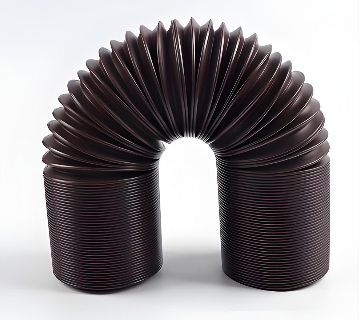
Suction Blow Molding Service | Complex Hollow Plastic Part Manufacturing
Home/Products/Plastic molding/Blow Molding/Suction Blow Molding Service | Complex Hollow Plastic Part Manufacturing Suction Blow Molding Service | Complex Hollow Plastic Part Manufacturing…
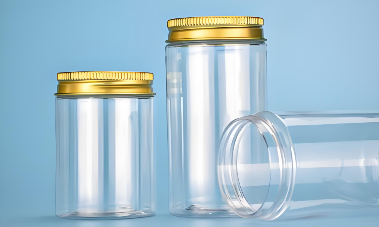
Stretch Blow Molding Service | High-Strength Plastic Container Manufacturing
Home/Products/Plastic molding/Blow Molding/Stretch Blow Molding Service | High-Strength Plastic Container Manufacturing Stretch Blow Molding Service | High-Strength Plastic Container Manufacturing Intro Paragraph:Stretch…
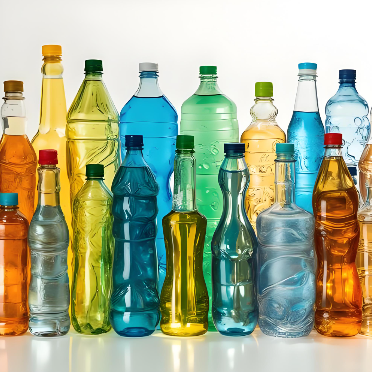
Injection Stretch Blow Molding Service | High-Strength PET Bottle Manufacturing
Home/Products/Plastic molding/Blow Molding/Injection Stretch Blow Molding Service | High-Strength PET Bottle Manufacturing Injection Stretch Blow Molding Service | High-Strength PET Bottle Manufacturing…
Is this process a fit for your part?
Send your drawing, material, quantity, finish and application requirements for a manufacturing review.