Technical Capability & RFQ
Plastic Fiber Extrusion & Spinning Services for Packaging and Agricultural Applications
Discuss This PartCapability decision data
Technical fit for Plastic fiber extrusion and spinning
Use this capability summary to decide whether the process fits the part before discussing tooling, lead time or price.
- Best fit
- Continuous monofilament, multifilament or fiber products where diameter and tensile behavior must be controlled.
- Design focus
- Spinneret geometry, melt filtration, draw ratio, cooling and winding conditions determine final fiber structure.
- Material direction
- PP, PET, PA and other fiber-forming polymers are chosen for strength, flexibility, chemical and thermal needs.
- Volume and cost logic
- Continuous production suits repeat demand; line setup, winding and downstream treatment affect minimum practical runs.
- Inspection focus
- Measure denier or diameter, tensile properties, elongation, consistency, finish pickup and winding defects.
- Compare against
- Compare with profile extrusion when the output is a shaped section rather than a drawn fiber.
Product Description
For products that require strength, flexibility, and high-volume efficiency, plastic fiber production is essential. Our advanced plastic fiber extrusion and spinning services use reliable plastic drawing and spinning processes to convert molten polymers into high-performance filaments and yarns.
With modern drawing machines and spinning machines, we deliver consistent and scalable plastic processing solutions for packaging, agriculture, and industrial applications.
How the Process Works
Our production follows a controlled plastic fiber manufacturing process:
Plastic melting → Extrusion → Stretching (drawing) → Cooling → Winding → Finished fiber
During this plastic spinning process, the material is melted and extruded through precision dies, then stretched to align molecular chains. This enhances:
- Tensile strength
- Flexibility
- Durability
The result is high-quality plastic fibers suitable for demanding applications.
What We Manufacture
Woven Bags (PP Bags)
We produce strong and lightweight polypropylene woven bags, widely used for:
- Grain and agricultural product packaging
- Cement and construction materials
- Bulk storage and transport
Our plastic fiber extrusion processes ensure:
- High load-bearing capacity
- Tear resistance
- Cost-effective mass production
Fishing Nets
Our plastic fishing nets are manufactured using durable fibers designed for marine environments. Key benefits include:
- High tensile strength
- Resistance to water, UV, and chemicals
- Long service life
Ideal for commercial fishing and aquaculture industries.
Plastic Ropes
We manufacture plastic ropes for a wide range of applications, including:
- Agriculture
- Marine use
- Industrial handling
Produced through optimized plastic drawing processes, our ropes offer:
- Excellent strength-to-weight ratio
- Flexibility and easy handling
- Resistance to wear and environmental conditions
Carpet Fibers
Our synthetic carpet fibers are engineered for durability and appearance. Using advanced plastic spinning technology, we ensure:
- Consistent fiber thickness
- Good elasticity and resilience
- Long-lasting performance
Suitable for residential, commercial, and industrial flooring applications.
Key Advantages of Our Fiber Processing
- High Strength & Performance
The stretching stage in the plastic fiber process significantly improves mechanical properties. - Efficient Mass Production
Continuous processing ensures high output and cost efficiency. - Material Versatility
Compatible with PP, PE, and other thermoplastic materials. - Wide Application Range
Ideal for packaging, agriculture, marine, and industrial uses.
Our Equipment & Capabilities
We operate advanced plastic drawing machines and spinning machines designed for stable and precise production:
- Controlled melting and extrusion systems
- High-precision drawing units for fiber strength optimization
- Automated winding systems for consistent output
Our integrated plastic processing equipment ensures full control across the entire plastic manufacturing process.
Who We Serve
We support clients across multiple industries:
- Packaging Companies
Reliable materials for woven bags and bulk packaging. - Agricultural Industry
Durable fibers for crop handling, storage, and support systems. - Marine & Fishing Industry
High-performance nets and ropes for demanding environments. - Wholesalers & Distributors
Stable supply and competitive pricing for bulk orders.
Why Choose Us?
- Expertise in Plastic Fiber Manufacturing
Deep understanding of plastic spinning and drawing processes. - Custom OEM Solutions
Tailored specifications for fiber type, strength, and application. - Consistent Quality Assurance
Strict monitoring throughout the plastic production process. - Global Service Capability
Professional support and reliable delivery for international clients.
Let’s Produce Stronger Fibers Together
If you’re looking for a dependable partner in plastic fiber extrusion and spinning, we’re ready to support your business with high-quality, scalable solutions.
Contact us today to discuss your requirements and start your next project.
FAQ: Plastic Fiber Extrusion & Spinning Services
What plastic materials are commonly used for fiber extrusion?
PP (polypropylene) is the most widely extruded fiber resin for packaging, agricultural, and nonwoven applications due to its light weight, chemical resistance, and low cost. PET (polyester) fibers dominate textile and technical applications. Nylon (PA6, PA66) is used for high-strength technical fibers. HDPE is extruded into geotextile fibers and strapping.
What is the difference between monofilament and multifilament fiber production?
Monofilament is a single thick continuous fiber strand, used in fishing line, conveyor screens, and filter fabrics. Multifilament is a bundle of many fine parallel filaments forming a yarn, used in woven and knitted technical textiles. The extrusion die and downstream drawing and winding equipment differ significantly between the two.
How does the drawing (stretching) step affect fiber properties?
Drawing orients the polymer molecular chains along the fiber axis, which significantly increases tensile strength and reduces elongation at break. Draw ratio (final length relative to original extruded length) is a key process parameter that determines the final mechanical properties. Over-drawing causes fibrillation; under-drawing leaves the fiber weak and extensible.
What quality parameters are critical for plastic fibers in agricultural or packaging applications?
Tensile strength, elongation at break, UV stability (for outdoor applications), denier or linear density consistency, and dimensional uniformity are the primary quality measures. We can discuss specific quality standards relevant to your end-use market.
Can you produce specialty fibers with added functionality such as antimicrobial or conductive properties?
Yes. Functional additives—antimicrobials, carbon black for conductivity, mineral fillers for density or flame retardance—can be compounded into the fiber feedstock. Additive compatibility with the base resin and the drawing process must be evaluated, as some additives affect melt viscosity and draw behavior.
Related products: Thermoforming & Vacuum Forming Services for Packaging and Industrial Applications, Fiber Reinforced Compression Molding Service | High-Strength Structural Components, Co-Extrusion Service | Multi-Layer Plastic Extrusion Solutions, Multilayer Blow Molding Service | High-Barrier Plastic Packaging Solutions, Standard Compression Molding Service | High-Performance Thermoset Components.
Technical Parameters
| Model | FX-75 | FX-90 | FX-120 | FX-150 |
|---|---|---|---|---|
| -------------------------- | ------------------------- | ------------------------- | ------------------------- | ------------------------- |
| Screw Diameter | 75 mm | 90 mm | 120 mm | 150 mm |
| Screw L/D Ratio | 45:1 | 45:1 | 45:1 | 45:1 |
| Main Motor Power | 55 kW | 75 kW | 110 kW | 160 kW |
| Maximum Output | 100-150 kg/h | 150-250 kg/h | 250-400 kg/h | 400-600 kg/h |
| Polymer Type | PET, PP, PA, PE | PET, PP, PA, PE | PET, PP, PA, PE | PET, PP, PA, PE |
| Melt Temperature | 260-280 °C | 260-280 °C | 260-290 °C | 260-290 °C |
| Fiber Denier Range | 0.5-3 dtex | 0.5-4 dtex | 0.5-6 dtex | 0.5-8 dtex |
| Spinning Speed | 1000-4000 m/min | 1000-5000 m/min | 1000-6000 m/min | 1000-7000 m/min |
| Spinneret Holes | 48-144 holes | 48-192 holes | 48-288 holes | 48-384 holes |
| Cooling Method | Air Quench / Water Quench | Air Quench / Water Quench | Air Quench / Water Quench | Air Quench / Water Quench |
| Winding Speed | 50-150 m/min | 50-200 m/min | 50-250 m/min | 50-300 m/min |
| Machine Dimensions (L×W×H) | 15×2×2.2 m | 18×2.2×2.5 m | 22×2.5×2.5 m | 25×3×3 m |
| Total Weight | 6 T | 8 T | 12 T | 18 T |
Samples
Related Manufacturing Capabilities
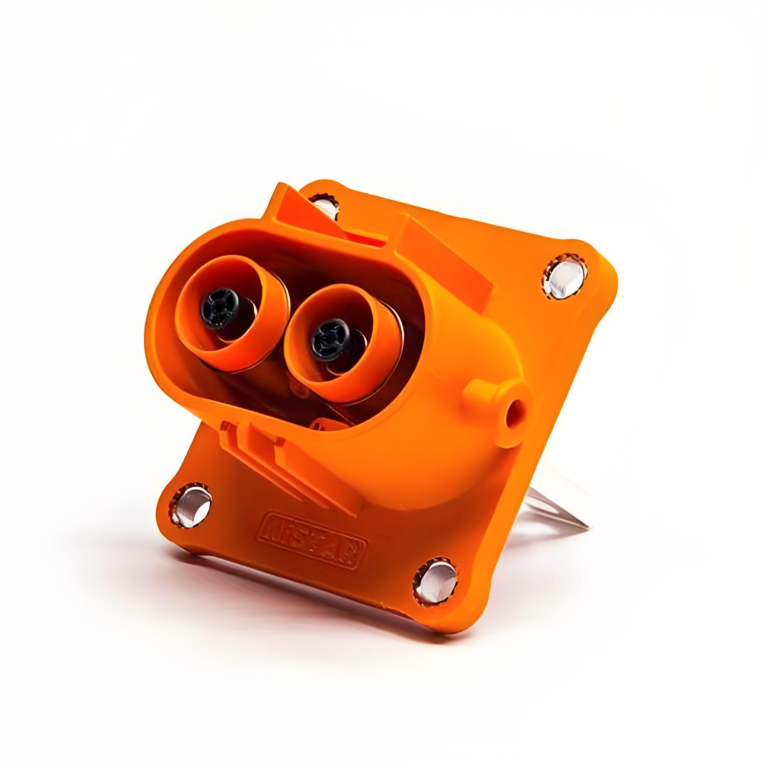
Thermosetting Molding Service | High-Performance Thermoset Components
Home/Products/Plastic molding/Thermosetting molding/Thermosetting Molding Service | High-Performance Thermoset Components Thermosetting molding is a specialized plastic processing method for manufacturing durable, heat-resistant, and…
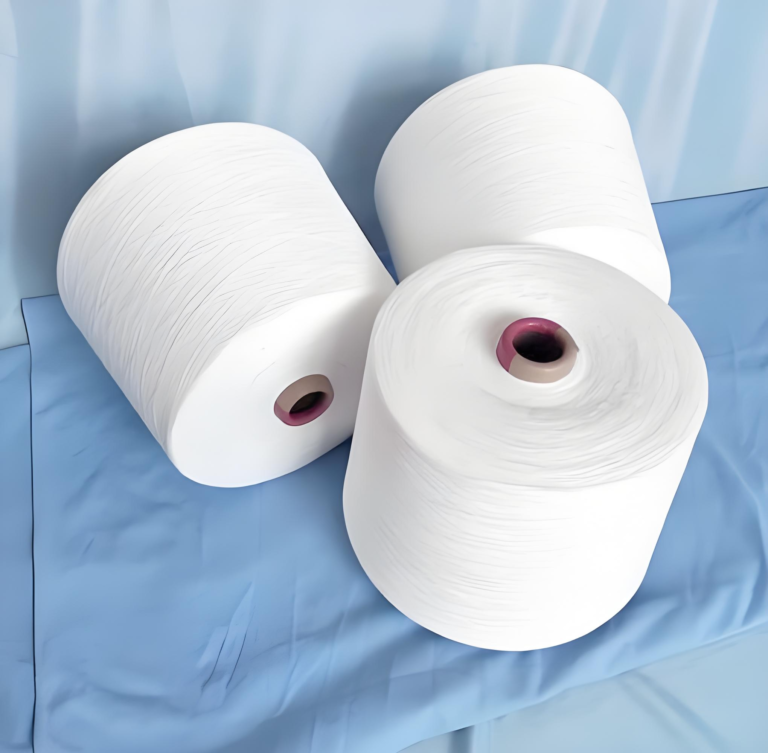
Fiber Spinning Service | Continuous & Functional Plastic Fibers
Home/Products/Plastic molding/Extrusion Molding/Fiber Spinning Service | Continuous & Functional Plastic Fibers Fiber Spinning is a specialized plastic processing method that transforms molten…
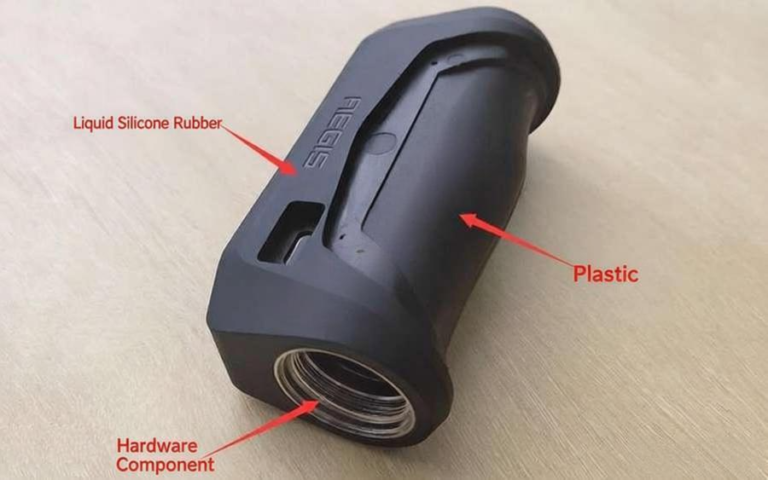
Multi-Component / Overmold Compression Molding Service | Functional Composite Components
Home/Products/Plastic molding/Compression Molding/Multi-Component / Overmold Compression Molding Service | Functional Composite Components Multi-Component or Overmold Compression Molding is an advanced thermoset process…
Is this process a fit for your part?
Send your drawing, material, quantity, finish and application requirements for a manufacturing review.