Industry News Archive
Creality 3D Begins Trading on Hong Kong Stock Exchange
Creality 3D, a leading manufacturer in the desktop and professional 3D printing sector, has marked its debut as a publicly traded company on the Hong Kong Stock Exchange. The listing represents a significant financial milestone for the Shenzhen-headquartered firm, known globally for its accessible Ender series printers and a growing ecosystem of filaments and resins.
The Public Offering and Market Reception
The initial public offering attracted considerable attention from institutional and retail investors alike. Proceeds from the float are earmarked for expanding manufacturing capacity, accelerating research into advanced materials, and deepening the company’s presence in international markets. While specific trading figures have yet to emerge, early demand signals strong confidence in Creality’s ability to maintain its competitive edge.
Analysts have noted that the choice of Hong Kong allows the company to tap into a deep pool of Asian capital while remaining close to its operational base. The exchange’s stringent listing requirements also serve as an endorsement of Creality’s corporate governance and transparency. Market participants are watching closely to see how the newly issued shares perform against a backdrop of growing global interest in additive manufacturing.
Creality joins a small but expanding cohort of consumer-focused 3D printing enterprises that have transitioned from private ownership to public markets. Its track record of delivering affordable, reliable machines has built a loyal user community, which may translate into sustained investor interest. The listing provides a new avenue for funding that could fuel both organic growth and potential acquisitions.
Implications for 3D Printing Consumables
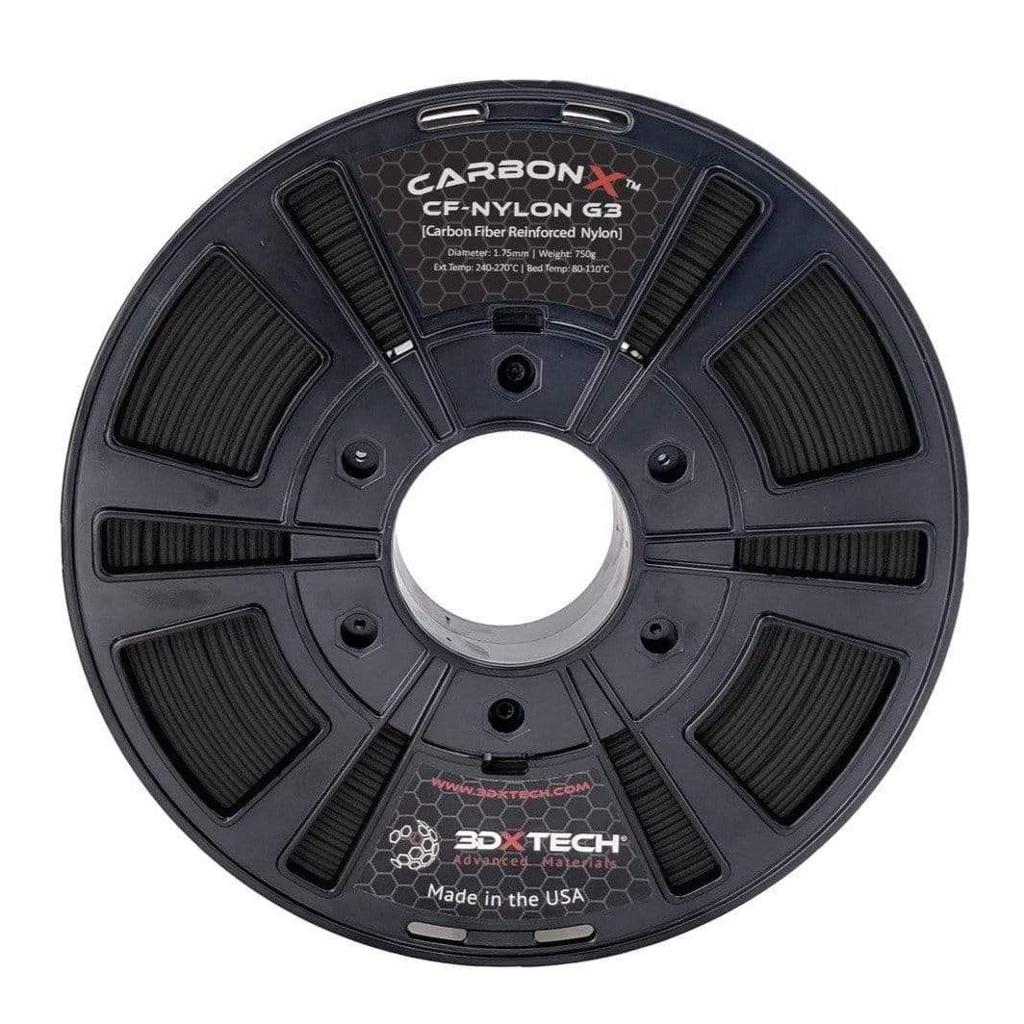
The influx of capital is expected to have a direct impact on the 3D printing consumables market, where Creality already sources and distributes a wide range of filaments, from standard PLA and ABS to specialty materials like carbon-fiber-infused nylons. Increased production capacity may lead to more competitive pricing and improved availability of consumables, lowering the barrier to entry for hobbyists and small businesses.
Additionally, research and development efforts are likely to focus on eco-friendly and high-performance consumables. Biodegradable filaments and recycled materials could see accelerated development, aligning with global sustainability trends. The company has previously signalled plans to expand its resin offerings for the growing dental and jewellery printing segments, where precision and material quality command a premium.
Tighter integration between Creality’s printer lines and its proprietary consumables could also strengthen recurring revenue streams. A public listing often incentivizes companies to prioritize after-market sales, and consumables represent a substantial long-term income source. This may lead to innovations in filament formulations that are optimized for Creality hardware, improving print reliability and part strength.
Growth Trajectory and Global Strategy
Creality’s growth has historically been driven by a direct-to-consumer model complemented by a network of local distributors. With fresh capital, the company is poised to enhance its logistics and supply chain, reducing lead times and shipping costs for customers in Europe, North America, and Southeast Asia. Strategically located warehouses and service centres are among the planned investments.
International expansion also involves deepening ties with educational institutions and manufacturing hubs. Creality printers are already a staple in many classrooms and makerspaces; now, more formal partnerships with vocational training providers could broaden the user base. The funding may enable the development of bundled solutions that combine hardware, software, and a steady supply of consumables, making 3D printing more accessible to novices.
The listing’s success could also encourage other Chinese additive manufacturing firms to consider public offerings. As the sector matures, a more liquid market for shares of 3D printing companies may attract fresh investment into related industries, from filament production to post-processing services. Creality’s move underscores the growing financial sophistication within the 3D printing ecosystem.
Beyond its core business, the company has previously explored adjacent fields such as laser engraving and CNC carving. A public war chest could accelerate these ventures, creating a broader personal fabrication portfolio. This diversification might insulate Creality from the cyclical nature of the 3D printer replacement cycle, where hardware sales can fluctuate.
Why This Matters
The IPO injects fresh capital into Creality, likely accelerating R&D and production of filaments and resins. This could drive down costs for end users, foster sustainable material innovation, and solidify Hong Kong’s role as a hub for additive manufacturing investment, intensifying competition across the consumer 3D printing market.
FAQ
Why did Creality 3D choose the Hong Kong Stock Exchange for its listing?
Hong Kong offers proximity to Creality’s Shenzhen headquarters, access to regional investors familiar with the technology sector, and a regulatory environment that balances international standards with local market support. The exchange’s deep liquidity in hardware and manufacturing stocks also made it an attractive venue.
How might the listing affect the price and availability of 3D printing consumables?
Funds raised are expected to expand filament and resin production capacity, potentially lowering unit costs. Improved logistics and bulk sourcing could reduce supply chain bottlenecks, making consumables more accessible globally. Competition may also intensify, benefiting consumers through more pricing options.
What technologies does Creality 3D specialize in?
Creality primarily focuses on fused deposition modeling (FDM) printers, known for their open-frame designs and broad material compatibility. They also produce stereolithography (SLA) and digital light processing (DLP) resin printers for higher precision applications. Their ecosystem includes proprietary slicers and a lineup of branded filaments and resins.
What is the broader significance of this IPO for the 3D printing industry?
A successful public listing by a consumer-oriented 3D printing firm validates the market’s maturity and growth potential. It may encourage further investment in additive manufacturing startups, drive innovation in consumables, and push competitors to pursue their own capital-raising strategies, ultimately accelerating industry consolidation and technological advancement.