
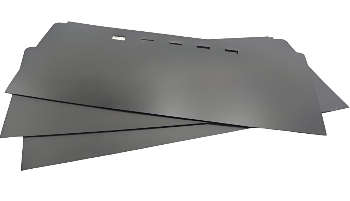
Technical Capability & RFQ
Thin-wall Injection Molding
Discuss This PartCapability decision data
Technical fit for Thin-wall injection molding
Use this capability summary to decide whether the process fits the part before discussing tooling, lead time or price.
- Best fit
- Lightweight housings, containers and high-volume parts whose wall sections require rapid filling.
- Design focus
- Flow length-to-thickness ratio, gate location, venting, ribs and ejection must be resolved before tooling.
- Material direction
- Higher-flow thermoplastic grades are evaluated against stiffness, impact, chemical and temperature needs.
- Volume and cost logic
- Fast cycles can favor high volume, while tooling, press capability and process development create a higher entry cost.
- Inspection focus
- Monitor short shots, burn marks, warpage, sink, inconsistent weight and damage during ejection.
- Compare against
- Compare with conventional injection molding for less aggressive walls and thermoforming for large open-shell geometry.
Product Description
High-speed Plastic Molding for Ultra-thin Wall Components
Thin-wall injection molding is a specialized plastic molding process designed for manufacturing ultra-thin wall plastic parts, typically with wall thicknesses below 1 mm. This process requires extremely high injection speed, high pressure, and rapid cooling capability to ensure complete cavity filling and dimensional stability.
Thin-wall molding is widely used for lightweight, high-volume plastic products that require fast production cycles and material efficiency.
Key Features
- Designed for ultra-thin wall plastic parts
- High-speed injection filling technology
- High-pressure molding capability
- Rapid cooling and short cycle times
- Reduced material consumption
- Lightweight product structures
- High-efficiency mass production capability
Manufacturing Process
- High-precision thin-wall mold is prepared
- Plastic material is heated to optimized flow condition
- Molten plastic is injected at extremely high speed
- High pressure ensures complete cavity filling
- Rapid cooling stabilizes thin-wall geometry
- Finished part is ejected and inspected
This process requires advanced injection molding machines with precise speed and pressure control systems.
Suitable Materials
Thin-wall injection molding commonly uses high-flow thermoplastics:
- PP (Polypropylene)
- PS (Polystyrene)
- PET
- PC (Polycarbonate)
- ABS
- PE (Polyethylene)
- Medical-grade polymers
Material selection depends on wall thickness, strength, transparency, and food or medical compliance requirements.
Applications
Thin-wall injection molding is widely used in high-volume consumer and industrial markets:
- Food packaging containers
- Disposable cutlery and tableware
- Electronic device housings
- Medical consumables
- Thin-wall storage containers
- Cosmetic packaging components
Cost Optimization & Efficiency
Thin-wall molding provides major production and cost advantages:
- Reduces plastic material usage
- Enables extremely fast production cycles
- Improves manufacturing efficiency
- Lowers product weight and transportation cost
- Supports high-volume automated production
- Reduces overall unit production cost
Although tooling precision and machine requirements are higher, thin-wall molding significantly improves long-term production efficiency.
Why Choose Us
We provide advanced thin-wall injection molding solutions with stable high-speed production capability:
- High-speed precision injection systems
- Advanced thin-wall mold engineering
- Optimized cooling channel design
- Stable mass production quality control
- Experience in food, medical, and electronics industries
- Material optimization support
- Fast sampling and production turnaround
We help customers manufacture lightweight, high-efficiency plastic products with excellent consistency and cost control.
FAQ: Thin-wall Injection Molding
What wall thickness qualifies as thin-wall in injection molding?
The common definition is walls below 1 mm, though in practice parts with a flow length-to-wall-thickness ratio above 150:1 are often classified as thin-wall challenges even at 1.2–1.5 mm. Thin walls cool and solidify faster than the resin can fill the cavity, requiring high injection speed and pressure.
What materials are commonly used for thin-wall injection molding?
PP, HDPE, and ABS are the most common. High-flow grades of these resins are specified to allow complete cavity fill before premature freeze-off. Engineering plastics like PA or PC can be thin-wall molded but require tighter process control because their processing windows are narrower.
How does thin-wall molding affect cycle time?
Thin-wall parts cool faster than thick-wall parts, which can shorten cooling time significantly. High-speed injection also contributes to faster cycles. Thin-wall packaging components are often cycled in under 5 seconds. The challenge is maintaining consistent quality at those speeds.
What quality problems are most common in thin-wall production?
Short shots (incomplete fill), warpage from non-uniform cooling, flow lines visible on the surface, and gate blush near the injection point are the most frequent issues. Gate location should be reviewed carefully during DFM because thin walls leave less margin for poor gate positioning.
What industries use thin-wall injection molding most heavily?
Food and beverage packaging (cups, lids, containers), medical disposables, consumer electronic housings, and thin structural inserts are major applications. The common driver is minimizing material usage and weight while maintaining dimensional integrity.
Related products: Reaction Injection Molding (RIM), Standard Injection Molding Services for High-Precision Plastic Parts, Injection Stretch Blow Molding Service | High-Strength PET Bottle Manufacturing, Injection Blow Molding Service | High-Precision Plastic Bottle Manufacturing, Stretch Blow Molding Service | High-Strength Plastic Container Manufacturing.
Technical Parameters
| Item | Specification |
|---|---|
| -------------------------- | ----------------------------- |
| **Process Type** | Thin-wall Injection Molding |
| **Typical Wall Thickness** | < 1 mm |
| **Injection Speed** | Ultra-high speed injection |
| **Injection Pressure** | 150 – 300 MPa |
| **Cycle Time** | 3 – 15 seconds |
| **Cooling System** | High-efficiency rapid cooling |
| **Suitable Materials** | PP, PS, PET, ABS, PC, PE |
| **Tolerance Range** | ±0.02 – ±0.05 mm |
| **Production Volume** | High-volume mass production |
| **Surface Finish** | Glossy / matte / textured |
Samples
Related Manufacturing Capabilities
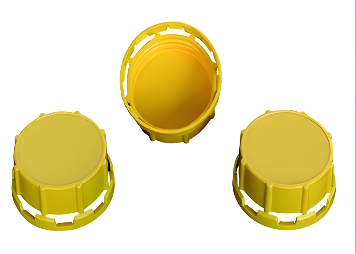
Hot Runner Injection Molding
Home/Products/Plastic molding/Injection Molding/Hot Runner Injection Molding Efficient Plastic Molding with Advanced Heated Runner Systems Hot runner injection molding is an advanced molding…
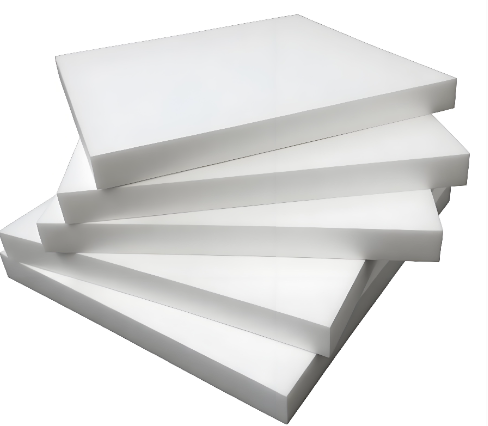
Reaction Injection Molding (RIM)
Home/Products/Plastic molding/Injection Molding/Reaction Injection Molding (RIM) Chemical Reaction Plastic Molding for Large and Lightweight Components Reaction Injection Molding (RIM) is an advanced…
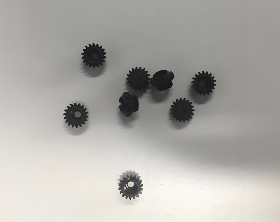
Micro Injection Molding (Micro Molding Service)
Home/Products/Plastic molding/Injection Molding/Micro Injection Molding (Micro Molding Service) Micro injection molding is a highly specialized plastic manufacturing process designed for ultra-small and…
Is this process a fit for your part?
Send your drawing, material, quantity, finish and application requirements for a manufacturing review.