
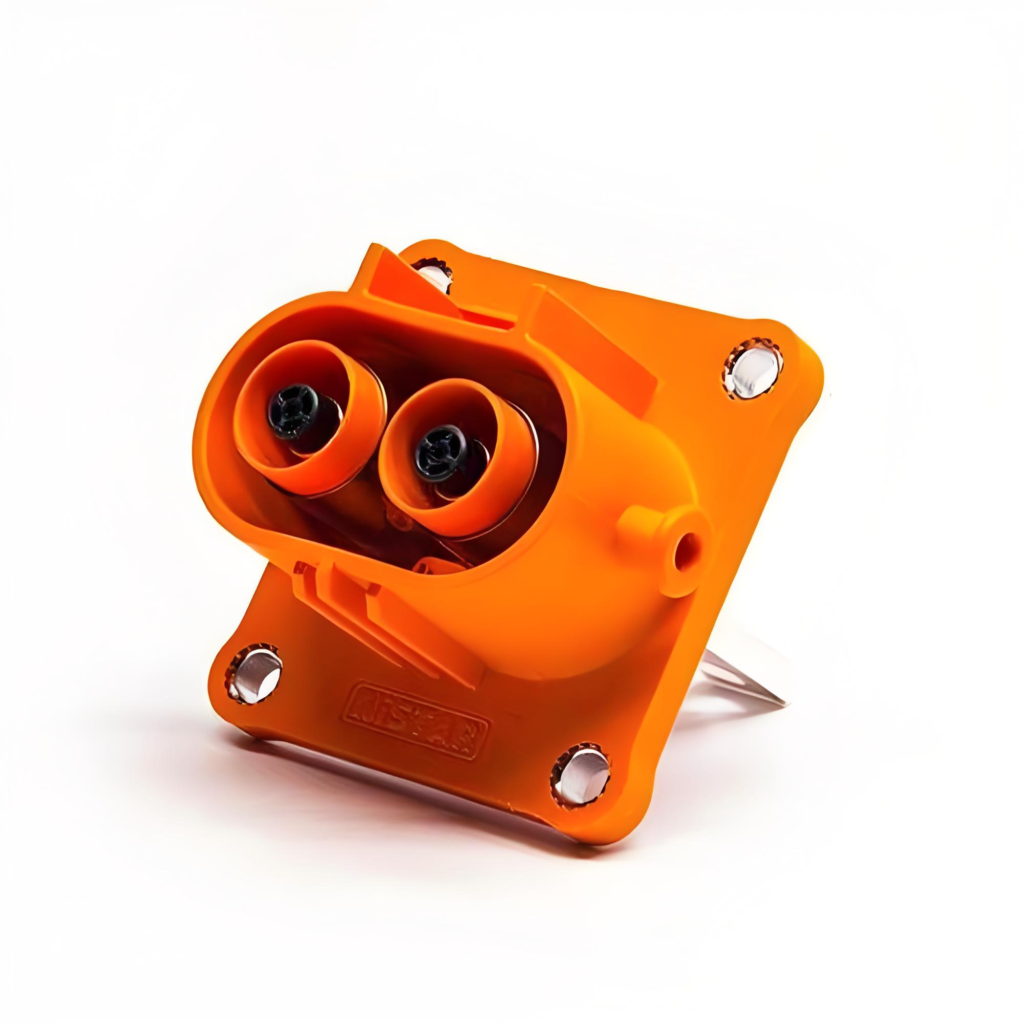
Technical Capability & RFQ
Thermosetting Molding Service | High-Performance Thermoset Components
Discuss This PartCapability decision data
Technical fit for Compression molding
Use this capability summary to decide whether the process fits the part before discussing tooling, lead time or price.
- Best fit
- Thicker, strong parts made from thermoset, rubber-like or reinforced molding compounds.
- Design focus
- Charge position, flow, flash land, draft, inserts, wall transitions and cure behavior must be planned together.
- Material direction
- Thermosets, elastomers, SMC and BMC are selected for heat, electrical, chemical and structural requirements.
- Volume and cost logic
- Tooling and cure time are important; repeat production and material performance usually justify the process.
- Inspection focus
- Inspect cure, voids, flash, warpage, surface condition, insert position and critical dimensions.
- Compare against
- Compare with injection molding for thermoplastic thin-wall parts and machining for low-volume blocks or plates.
Product Description
Thermosetting molding is a specialized plastic processing method for manufacturing durable, heat-resistant, and chemically stable components. Thermoset plastics cure irreversibly under heat and pressure to form strong, rigid parts with excellent dimensional stability. As a professional plastic parts manufacturer, we provide custom thermosetting molding solutions for electrical insulation, mechanical components, industrial gears, and high-performance housings. Whether you require non-standard plastic molding or small-batch plastic parts customization, we ensure precision, reliability, and long-lasting performance.
Advantages of Thermosetting Molding
- High Mechanical Strength
Thermoset materials offer excellent rigidity and load-bearing capacity. - Heat & Chemical Resistance
Components withstand high temperatures and resist chemical corrosion. - Dimensional Stability
Minimal shrinkage and warping ensure precise, repeatable parts. - Electrical Insulation Properties
Ideal for components requiring dielectric strength and safety compliance. - Durable & Long-Lasting
Thermoset parts maintain performance under stress and environmental exposure.
Our Thermosetting Molding Process
Material Preparation
Thermoset resin (granules, powder, or preforms) is prepared according to part specifications and material requirements.
Mold Loading & Compression
Resin is placed into a heated mold, which is closed under pressure to shape and initiate the curing process.
Curing & Cooling
Heat and pressure cure the thermoset resin into a rigid, dimensionally stable part. Controlled cooling ensures consistent part quality.
Inspection & Finishing
Finished components are checked for dimensional accuracy, mechanical strength, and surface quality. Secondary operations, including trimming, machining, or drilling, are applied as necessary.
Common Materials for Thermosetting Molding
| Material | Key Benefits | Typical Applications |
|---|---|---|
| Phenolic (PF) | Heat & electrical resistance | Switch housings, electrical insulation parts |
| Epoxy (EP) | Chemical resistance, high strength | Industrial gears, mechanical components |
| Unsaturated Polyester (UP) | Good mechanical properties | Structural housings, industrial parts |
| Melamine (MF) | Hard, durable surface | Electrical components, panels |
Industry Applications
- Electrical & Electronic Components
Insulators, switch housings, circuit boards, and high-voltage parts. - Mechanical & Industrial Parts
Gears, levers, housings, and load-bearing structural components. - Automotive & Industrial Applications
Components exposed to heat, friction, and chemical environments. - Consumer & Industrial Appliances
High-strength parts for switches, housings, and safety devices.
Quality Control & Performance Testing
- Dimensional Accuracy
Precision molds ensure consistent sizes and repeatable part quality. - Mechanical & Thermal Testing
Ensures parts meet strength, heat resistance, and impact requirements. - Surface & Visual Inspection
Eliminates defects such as voids, cracks, or uneven finishes. - Advanced Measurement Systems
CMM and precision gauges verify tolerances and performance standards.
Cost Optimization & Production Efficiency
- Efficient Material Use
Near-net-shape molding reduces material waste. - Short Setup for Small Batches
Flexible for prototypes and small-volume production without high tooling costs. - Reduced Secondary Operations
Thermoset molding produces durable parts with minimal machining requirements. - Scalable Production
Supports both small-batch and medium-scale production with consistent quality.
Why Choose Us
As a trusted plastic parts manufacturer, we specialize in thermosetting molding, non-standard plastic molding, and small-batch plastic parts customization. From material selection and mold design to production and quality inspection, we provide complete solutions for high-performance thermoset components.
Send us your drawings or specifications today for a free engineering evaluation and custom thermosetting molding consultation.
FAQ: Thermosetting Molding Service (High-Performance Thermoset Components)
What is the fundamental difference between thermoset and thermoplastic materials?
Thermoplastics melt when heated and re-solidify when cooled—they can be remelted and reprocessed. Thermosets undergo an irreversible chemical crosslinking reaction during the molding cure. Once cured, thermosets cannot be remelted. This gives them superior high-temperature stability, compressive strength, and dimensional stability, but they cannot be recycled by remelting.
What thermoset materials do you process?
We process phenolic (PF) resins (Bakelite and equivalent), urea formaldehyde (UF), melamine formaldehyde (MF), unsaturated polyester (UP) in BMC and SMC form, epoxy molding compounds, and diallyl phthalate (DAP) for high-frequency electrical applications.
Why are thermoset materials preferred for electrical switchgear and insulation components?
Phenolic and melamine thermosets have excellent electrical insulation properties, high CTI (comparative tracking index), dimensional stability at elevated service temperatures, and arc resistance. These properties are required for circuit breakers, contactors, terminal blocks, and high-voltage insulators where thermoplastics would deform, track, or creep under thermal and electrical stress.
Can thermoset molded parts be machined after curing?
Yes. Cured thermoset parts can be drilled, tapped, trimmed, and surface ground. Thermosets are brittle and abrasive, so carbide tooling and appropriate feeds are required to avoid cracking or chipping. Secondary machining is used to achieve thread forms, close-tolerance holes, or surface flatness that cannot be held in the molding process alone.
How is the degree of cure verified in thermoset molding production?
Process parameters (temperature, pressure, time) are documented and controlled per the material supplier’s recommendations. Hardness testing, post-cure dimensional stability checks, and periodic Barcol hardness measurements are used to verify cure completeness. Under-cured parts exhibit lower hardness, higher water absorption, and inferior mechanical properties.
Related products: Fiber Reinforced Compression Molding Service | High-Strength Structural Components, Compression Molding Services for High-Strength Thermoset Plastic Parts, Standard Injection Molding Services for High-Precision Plastic Parts, Stretch Blow Molding Service | High-Strength Plastic Container Manufacturing, Blow Molding Services for Bottles and Industrial Containers, Extrusion Blow Molding Service | Custom Plastic Bottle & Container Manufacturing.
Technical Parameters
| Parameter | Typical Value / Range |
|---|---|
| Process Type | Thermosetting Molding (Compression, Transfer, or Injection Molding) |
| Supported Materials | Phenolic (PF), Epoxy (EP), Unsaturated Polyester (UP), Melamine (MF) |
| Maximum Part Size | Up to 400 mm x 400 mm x 150 mm |
| Wall Thickness | 2 mm – 25 mm |
| Dimensional Tolerance | ±0.05 mm – ±0.3 mm |
| Surface Finish | Matte / Textured / Polished |
| Operating Temperature | Up to 200°C (material dependent) |
| Cycle Time | 2 – 15 minutes per part |
| Production Volume | Small to medium batch, scalable |
| MOQ | Prototype to medium-scale production |
| Secondary Services | Trimming, Machining, Drilling, Assembly |
| Note | Specifications may vary depending on material selection, part geometry, and mold configuration. |
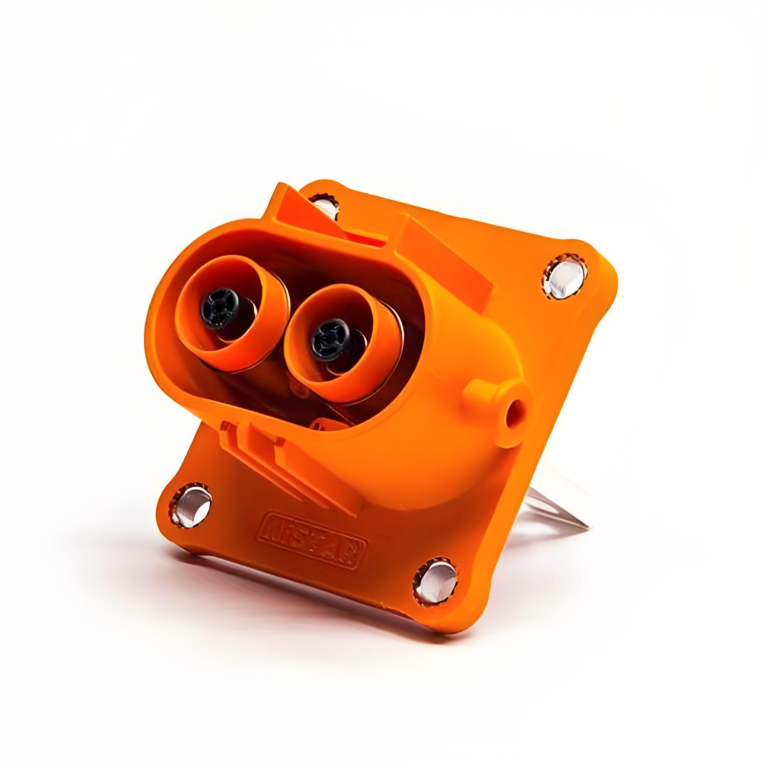
Samples
Related Manufacturing Capabilities
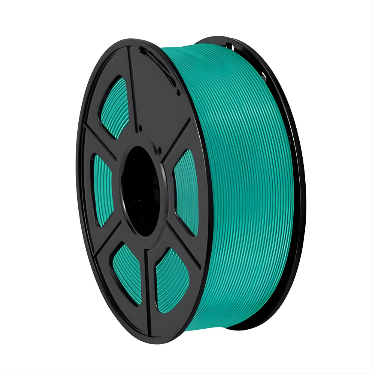
3D Printing Filament Supplier for PLA, ABS, PETG, TPU and Engineering Materials
Home/Products/3D Printing Filament Supplier for PLA, ABS, PETG, TPU and Engineering Materials We supply 3D printing filament materials for FDM printing, prototyping,…
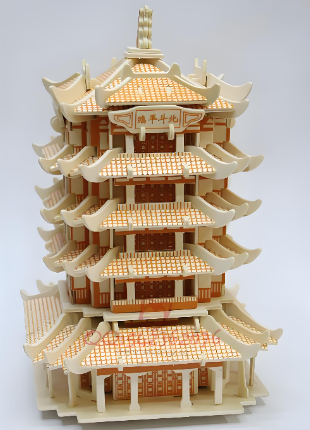
FDM 3D Printing
Home/Products/3D printing/FDM 3D Printing FDM (Fused Deposition Modeling) 3D printing is one of the most widely used additive manufacturing technologies for producing…

SLA 3D Printing Service for High-Precision Resin Prototypes
Home/Products/3D printing/SLA 3D Printing Service for High-Precision Resin Prototypes Our SLA 3D printing service produces high-detail resin prototypes with smooth surfaces, sharp…
Is this process a fit for your part?
Send your drawing, material, quantity, finish and application requirements for a manufacturing review.